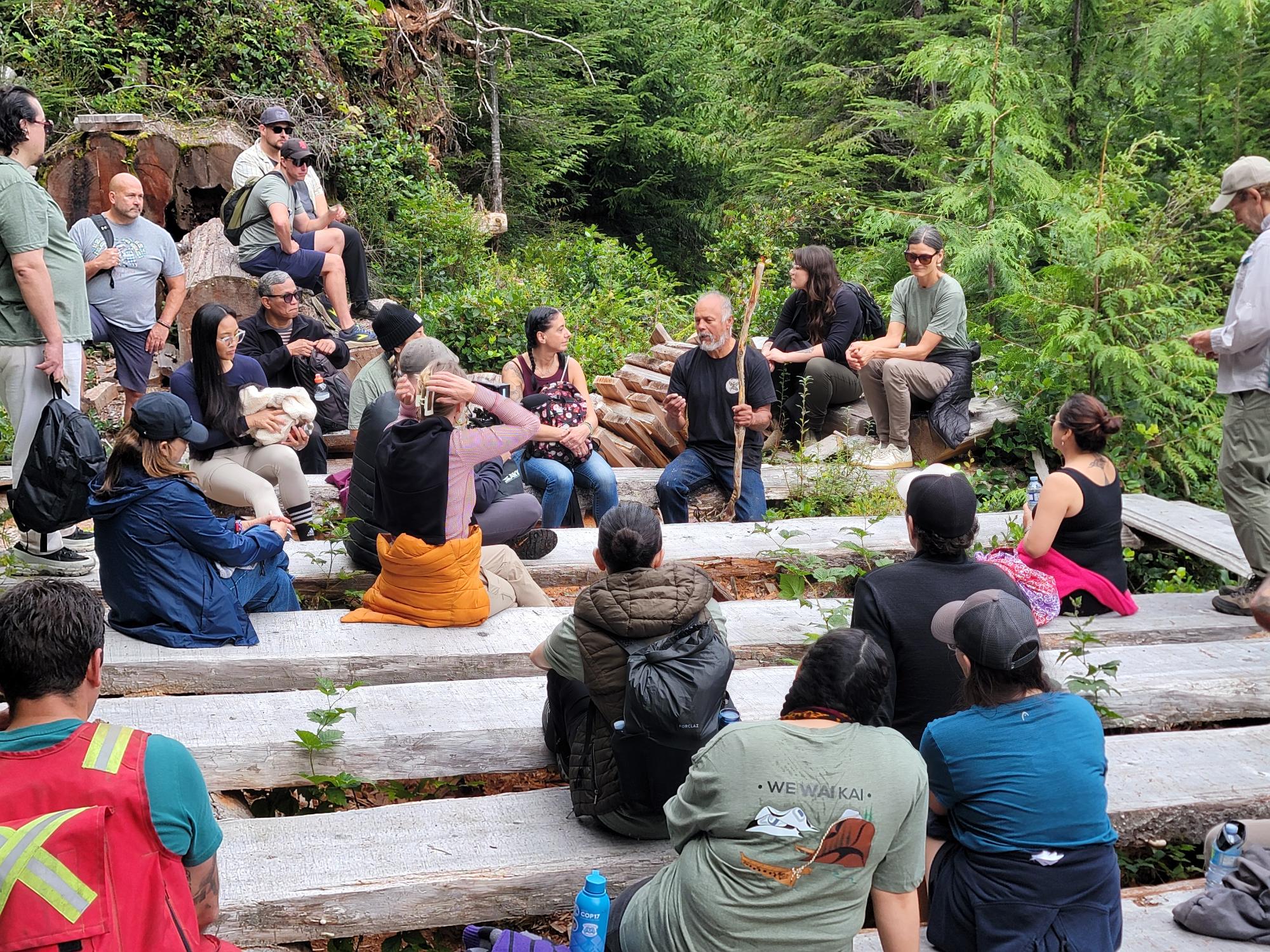
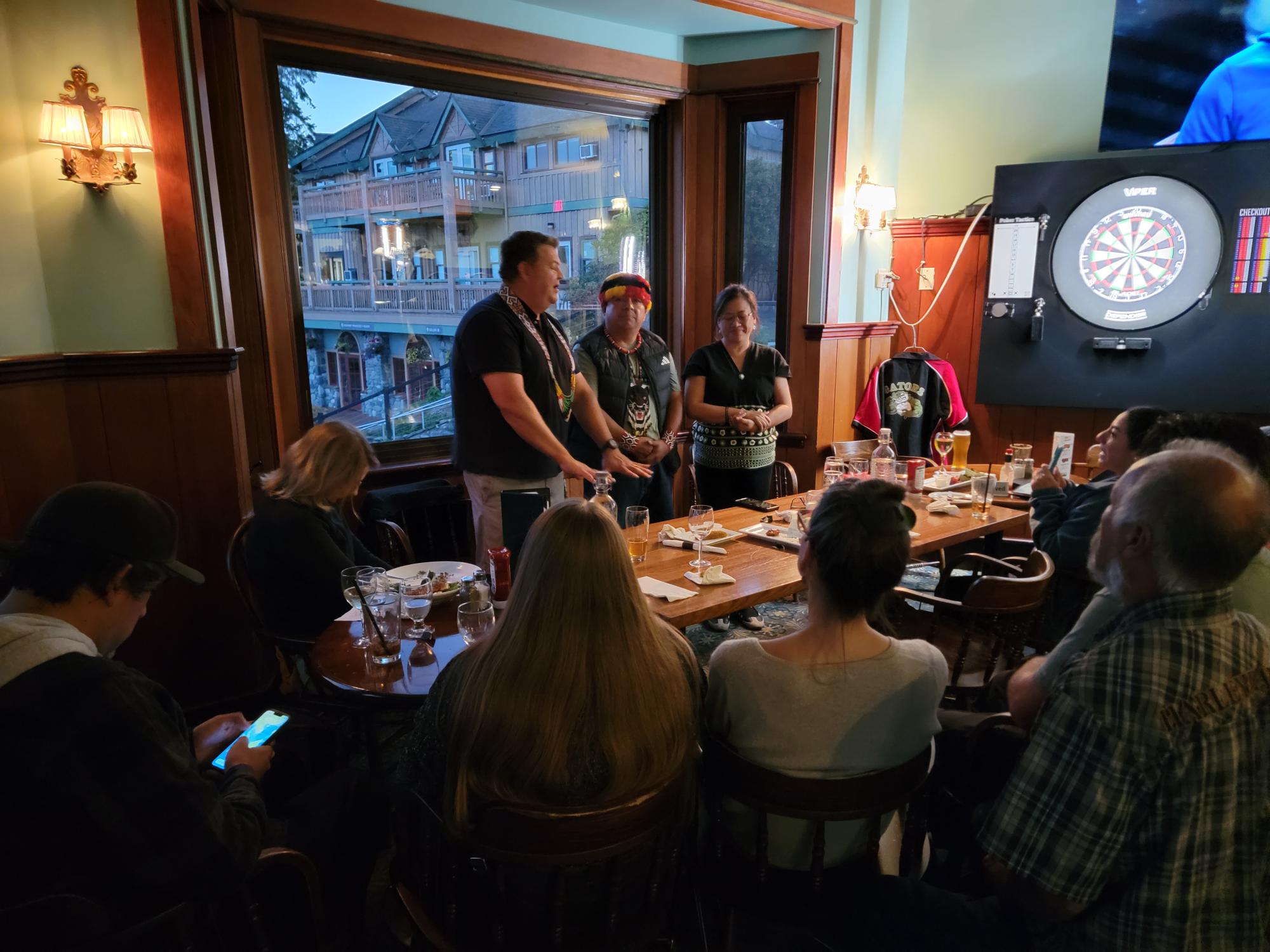
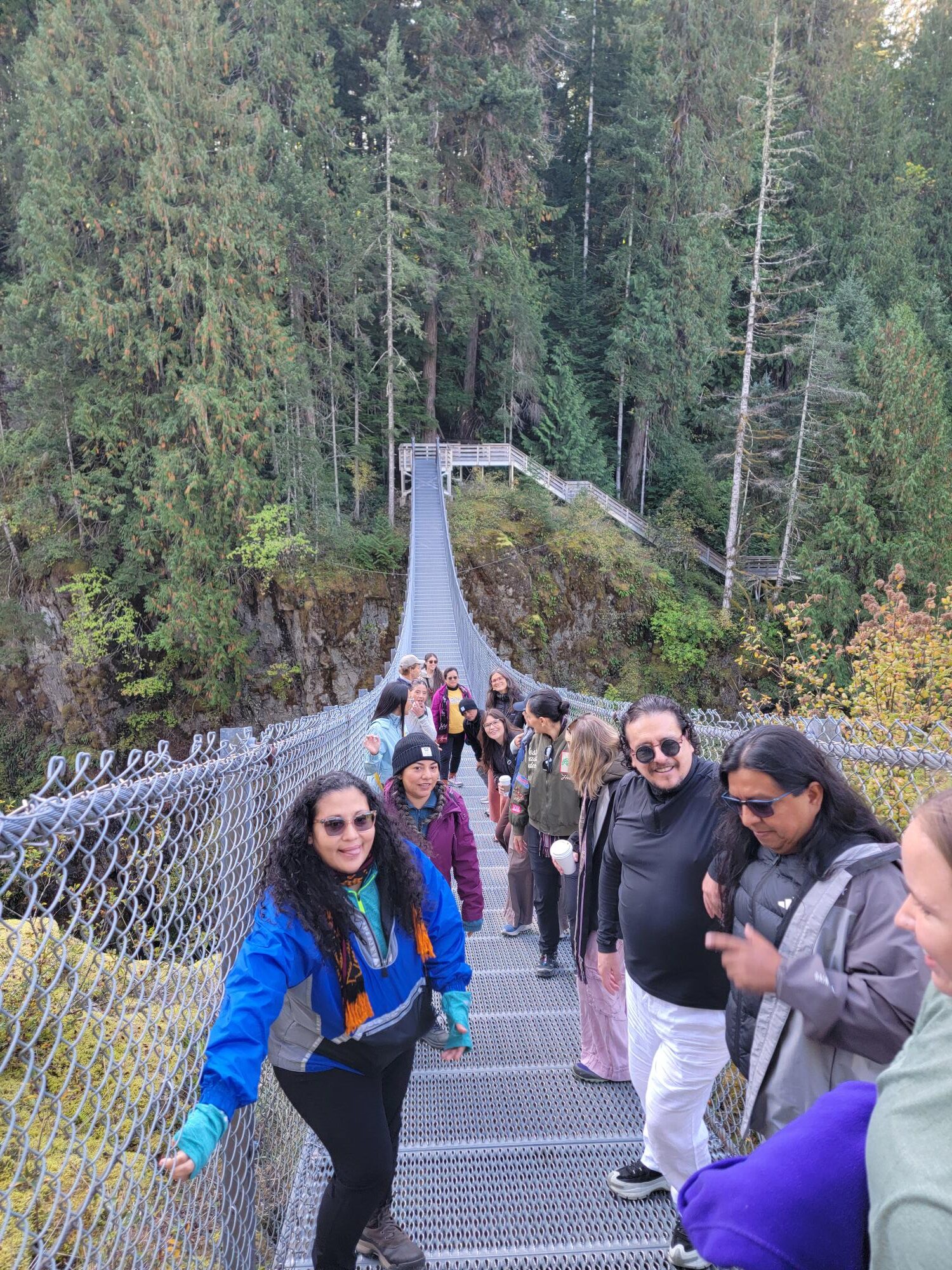
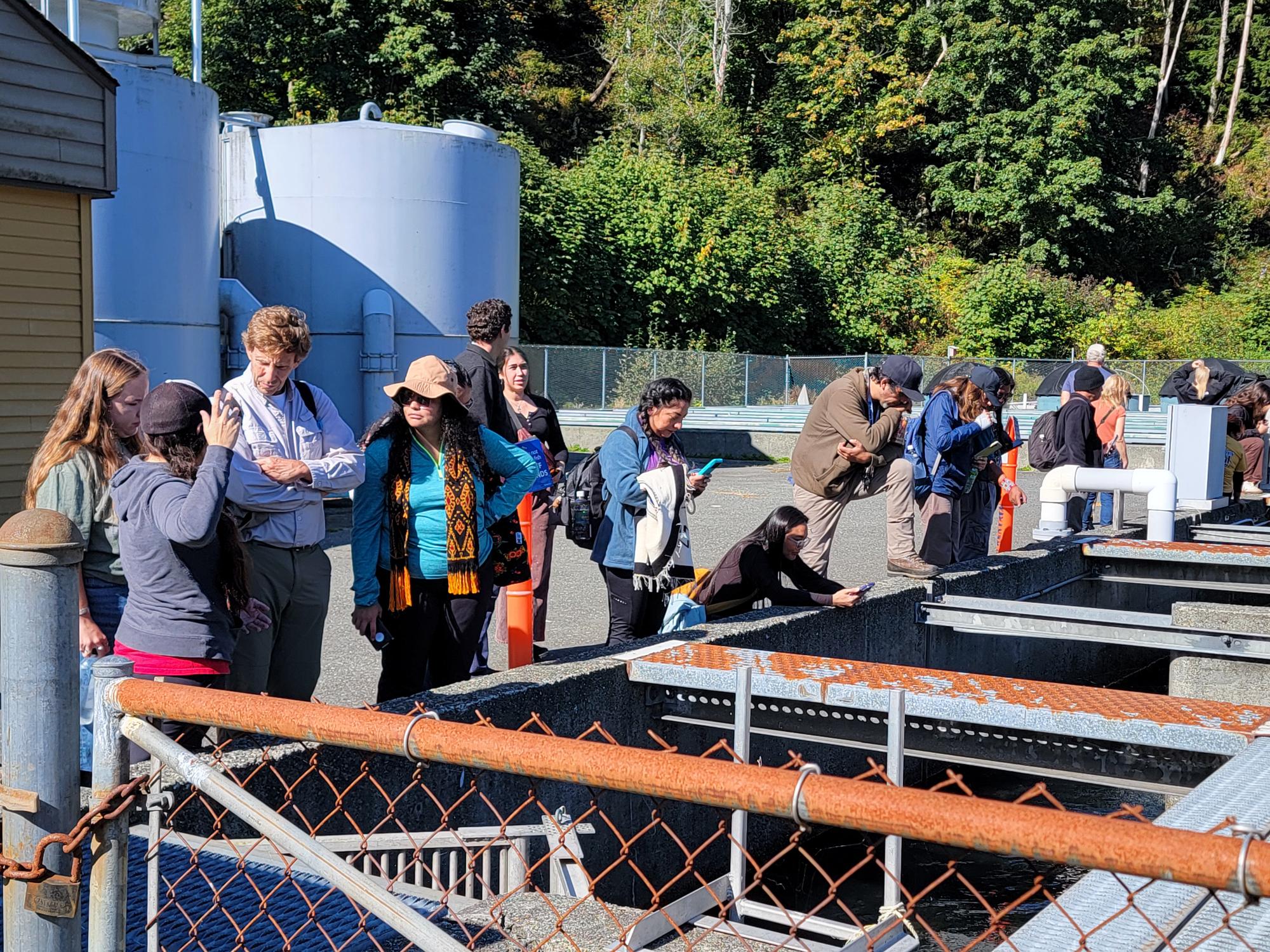
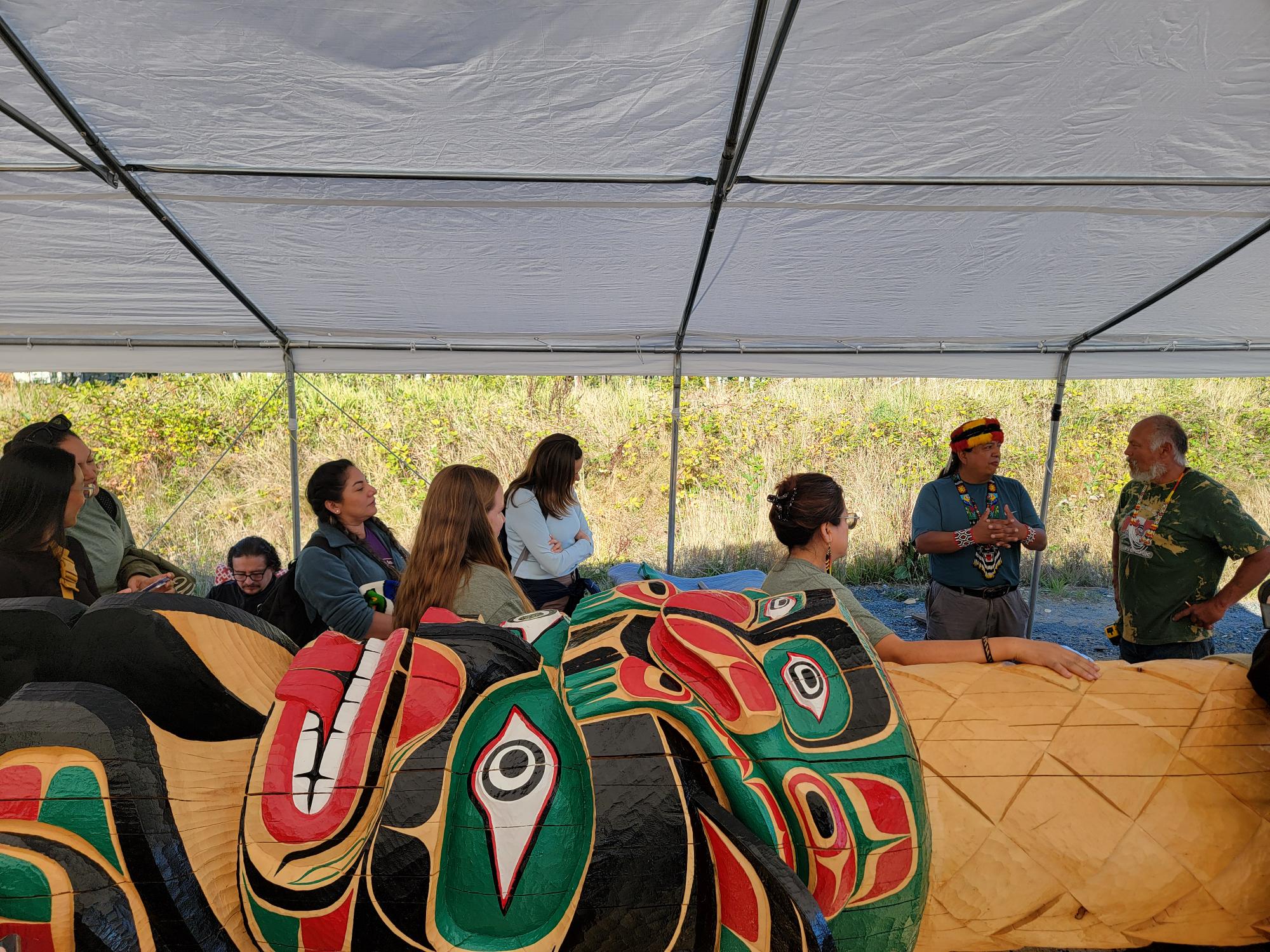
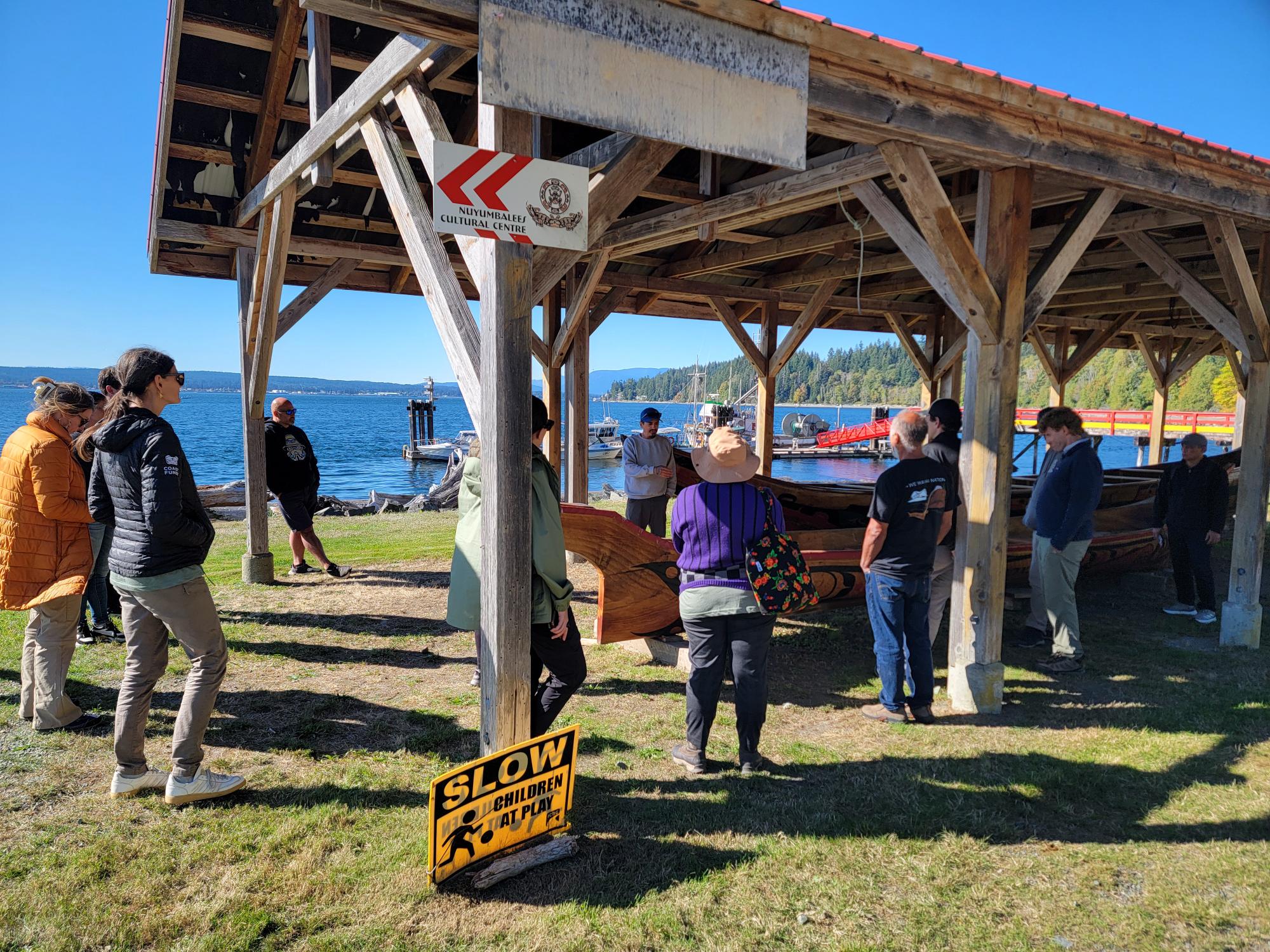
In September 2026, Coast Funds hosted a learning exchange introducing participants from around the world to its long-established, Indigenous-governed conservation finance model. Coast Funds, developed with First Nations in the Great Bear Rainforest of British Columbia, is a proven blueprint for community-led governance and the building of a trajectory from initial capitalization to long-term financial resilience. Coast Funds’ experience provides critical, practical knowledge for the global expansion of Indigenous-led territorial finance and stewardship.
A global example
The Great Bear Rainforest, spanning approximately 6.4 million hectares along the north and central coast of British Columbia, is the traditional territory of more than two dozen First Nations and has become a globally recognised example of Indigenous-led conservation, stewardship and conservation finance.
Building on this experience, First Nations are working with the governments of Canada and British Columbia and the philanthropic community to advance the Great Bear Sea Project Finance for Permanence (PFP) initiative. In June 2024, $335 million in initial funding was secured to support 17 Nations to establish long-term financing for marine conservation, Indigenous stewardship and sustainable economic development across more than 10 million hectares of marine and coastal ecosystems. The Great Bear Sea PFP represents an important evolution of the conservation finance model in British Columbia, extending the lessons and relationships developed through the Great Bear Rainforest and Coast Funds into the marine and coastal context.
Working together to learn and share knowledge
The learning exchange had three core objectives:
- First, to generate deep, practitioner-to-practitioner knowledge transfer on how Coast Funds was built, governed, capitalized, and sustained — with particular attention to lessons applicable to Indigenous-governed funds in tropical forest countries.
- Second, to build direct relationships between Indigenous conservation finance leaders in BC and their counterparts in Latin America, Africa, and Asia, establishing a foundation for ongoing peer learning and collaboration.
- Third, to inform and strengthen the design of direct access mechanisms within the Tropical Forest Forever Facility – TFFF (TFFF), drawing on the lived experience of both visiting participants and BC host communities. The TFFF is emerging as a high-ambition, results-based mechanism to mobilize long-term capital for tropical forest conservation. Its Indigenous Peoples and Local Communities (IPLC) working group—comprising the World Bank, the Government of Brazil, the Global Alliance of Territorial Communities (GATC), and other technical experts—is working to ensure IPLCs serve as central partners and decision-makers.
Learning on the land
Nanwakolas Council was privileged to host the international visitors for the knowledge exchange, showcasing the member First Nations’ leadership in stewardship and protection of our lands and waters. In turn, we learned about their work and efforts. These knowledge exchanges are uplifting, inspirational, and hopeful – we are stronger together!
Enjoy this short film of the learning exchange courtesy of the TFFF.
Gilakas’la to the Rockefeller Brothers Fund, Manuella Cantalice of New Animal Ventures, the TFFF, and Coast Funds for an amazing experience, and hands raised also to Ode Rahkman of NUSANTARA FUND, María Pía Hernández Palacios of Fondo Territorial Mesoamericano (FTM), Jenifer Lasimbang of Indigenous Peoples of Asia Solidarity Fund (IPAS Fund), Cassandra Jane Albanus of Jaringan Orang Asal SeMalaysia, Juan Carlos Jintiach of Global Alliance of Territorial Communities, Emma Lorena Pineda Rivero of Pawanka Fund, Holguer Zack Romo Paredes at Indigenous Organizations of the Amazon River Basin, Deborah Sanchez of the Community Land Rights and Conservation Finance Initiative, Dianna Pizarro at the The World Bank Group, BASIRU Isa of the Network of Indigenous Peoples and Local Communities for the Sustainable Management of Forest Ecosystems in Central Africa, and Michael Northrop at the Rockefeller Brothers Fund.