Like a well-working app, the machinery of the Nanwakolas Council Guardian training and certification support system runs quietly year-round in the background of the member First Nations’ Guardian programs, offering the essential skills and qualifications Guardians need to get their vital work done.
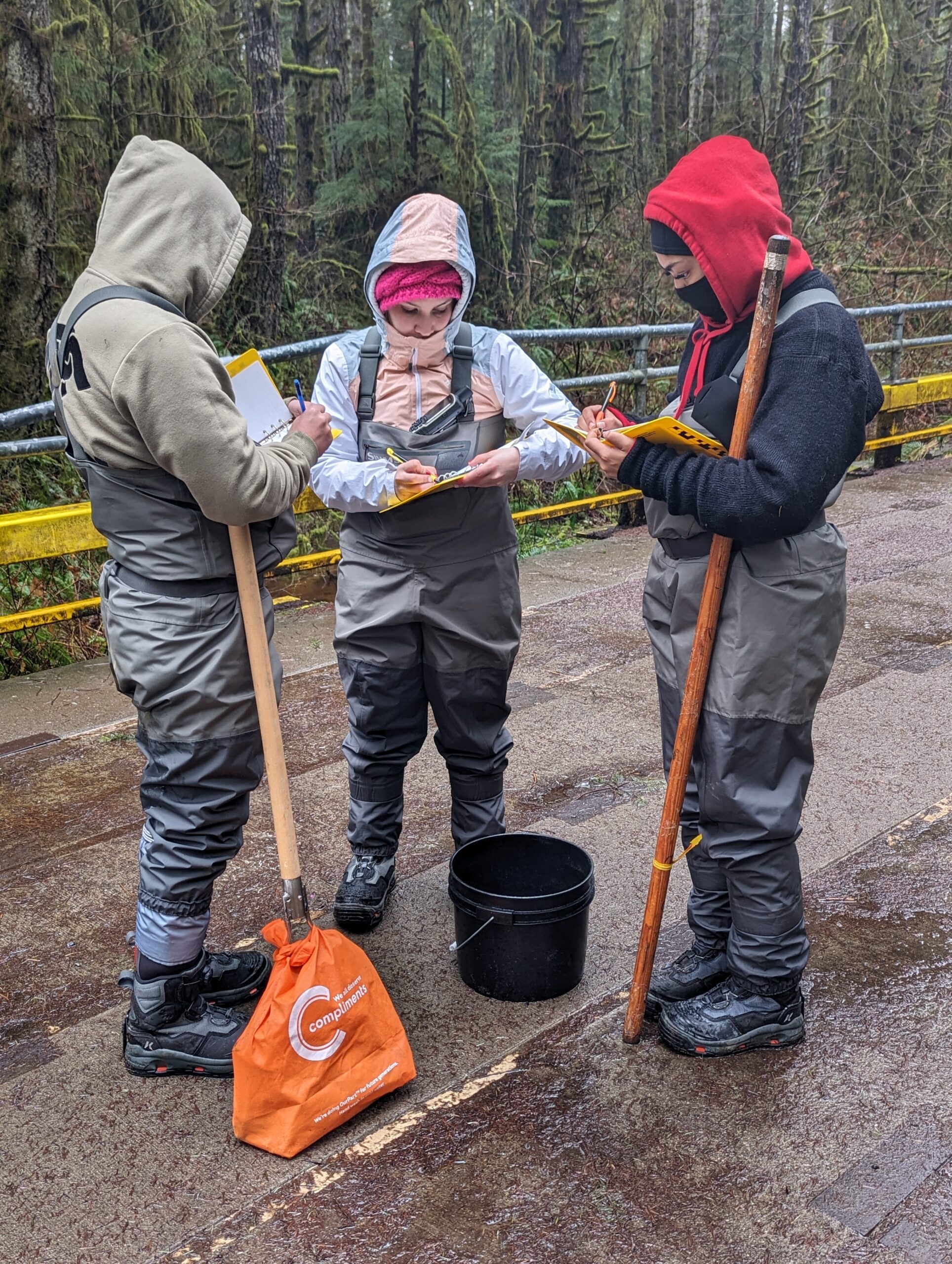
“A fundamental part of my work is knowing the people I am organizing the training for,” says Nanwakolas Training Coordinator Heidi Kalmakoff. “That helps with making sure that not only is the content relevant to them, all the training is also delivered in a way that is relevant.”
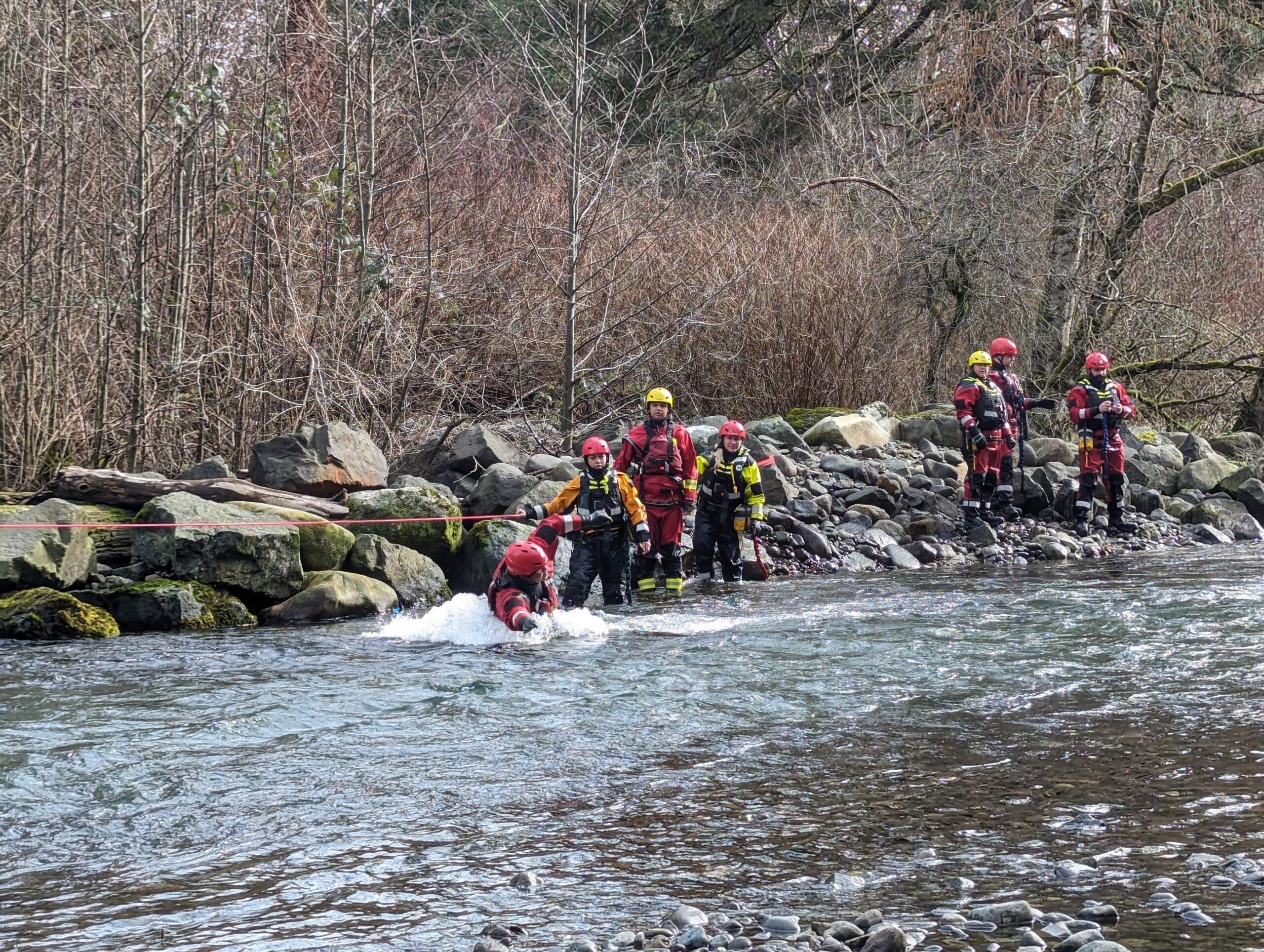
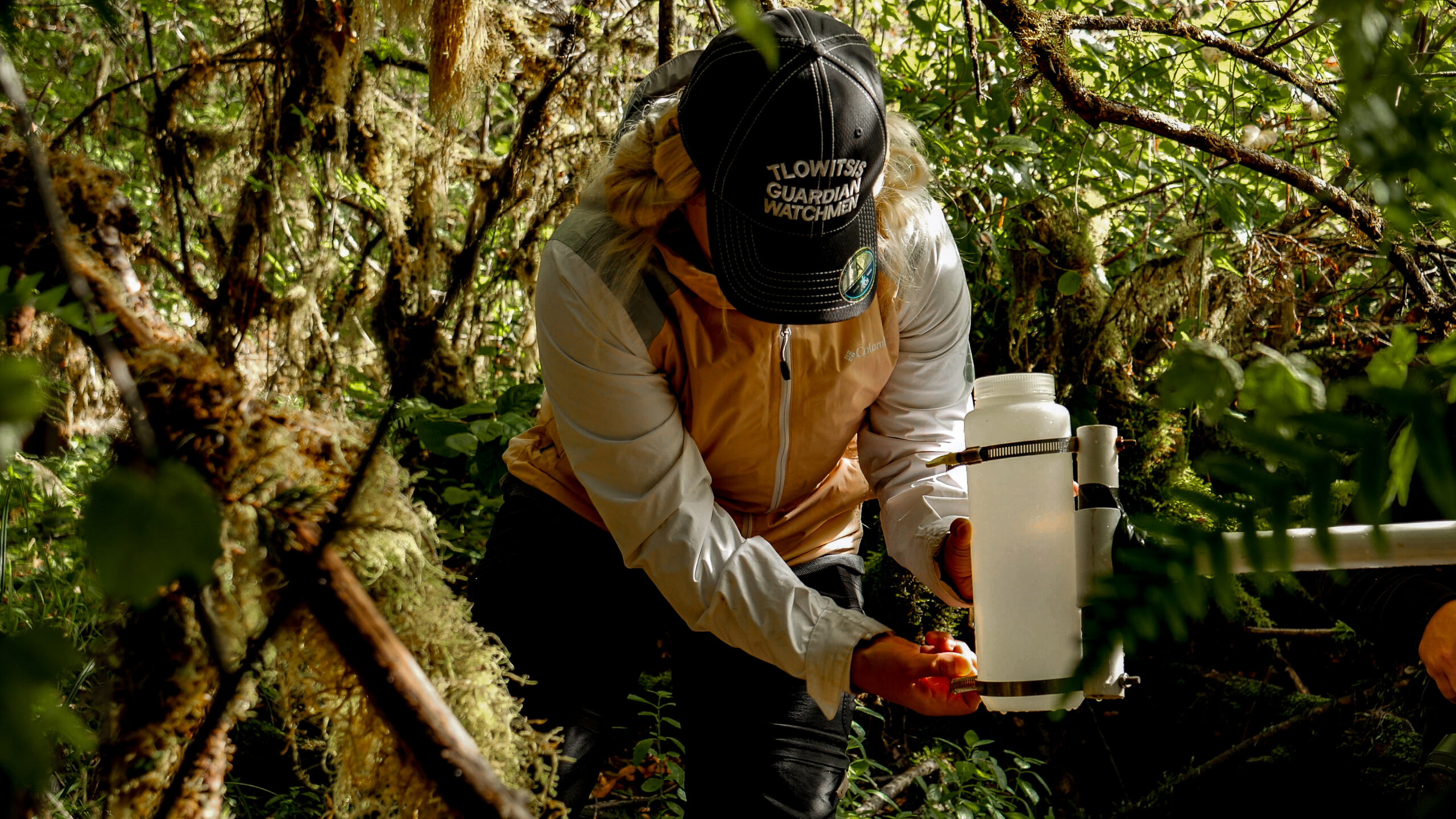
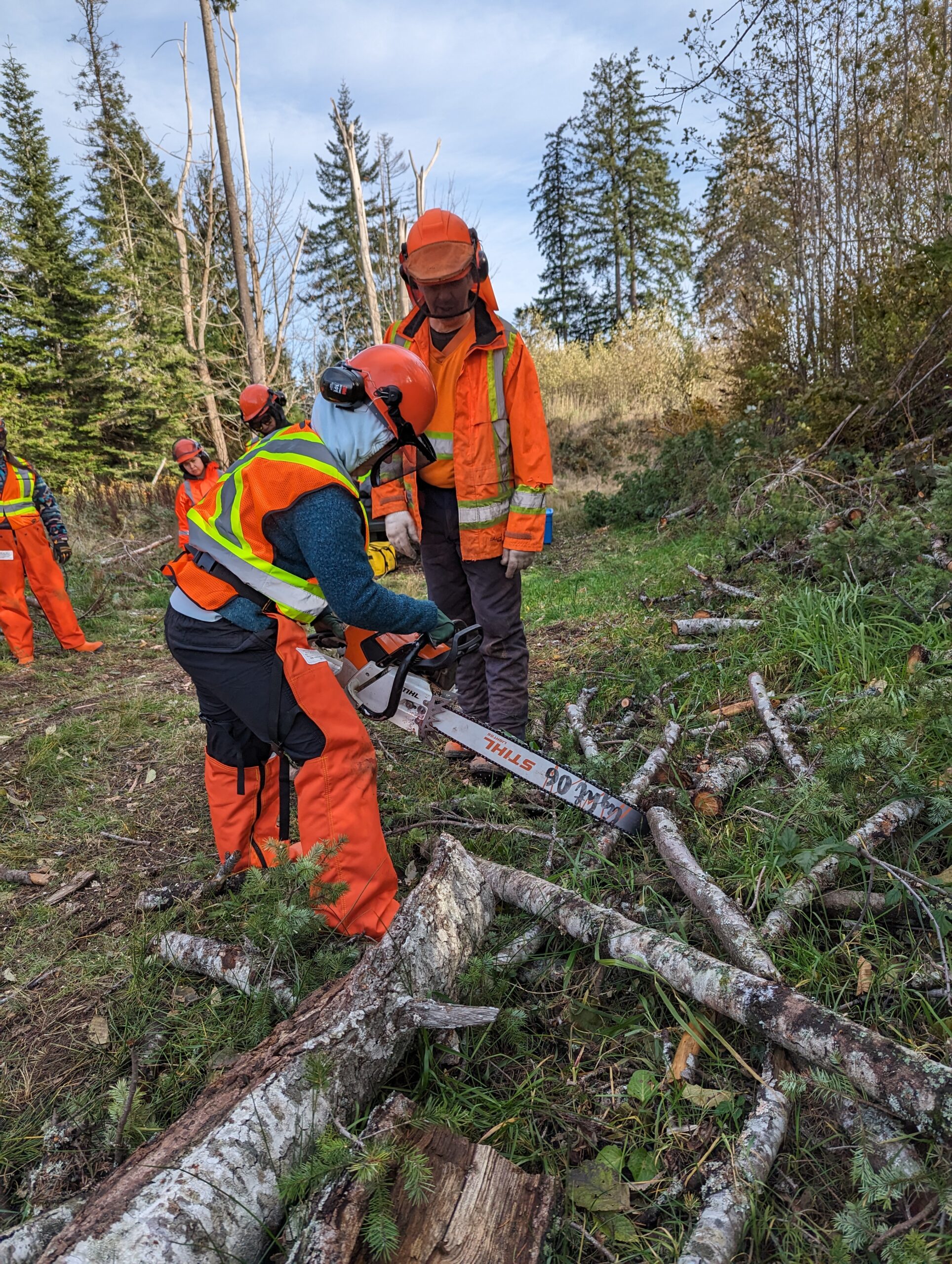
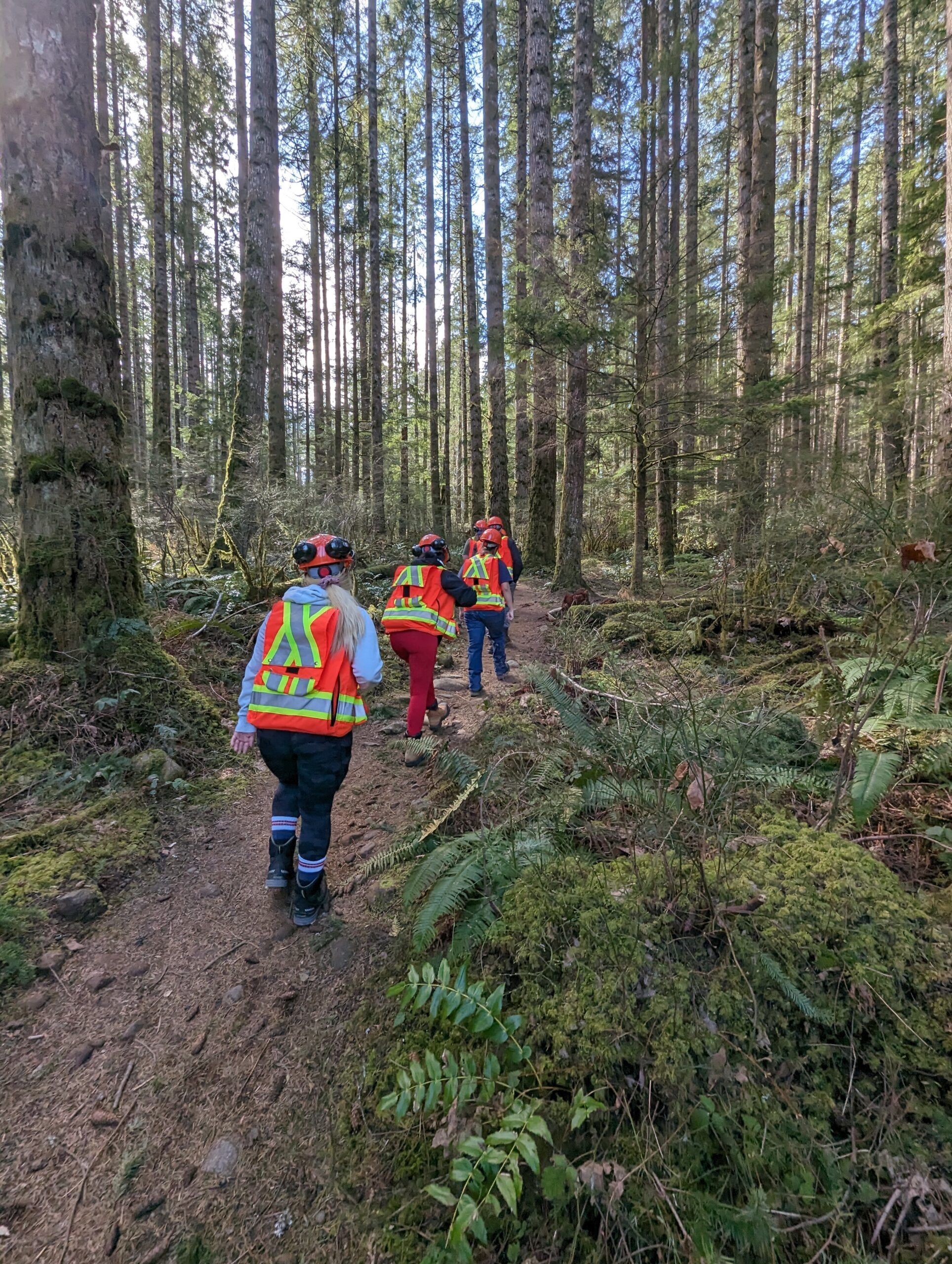
Heidi and Guardians Logistics Coordinator Tashina James-Matilpi are the small but powerful Nanwakolas team that organize and support the delivery of educational and certification needs of the Ha-ma-yas Stewardship Network Guardians. That includes the Stewardship Technician Training Program run in collaboration with Vancouver Island University, a six-month intensive program that covers everything from environmental law to scientific foundations for research and monitoring techniques and practices, as well as chain saw use and small engine repair, and industry certification required for activities such as operating vessels, drone operation, and wilderness first aid.
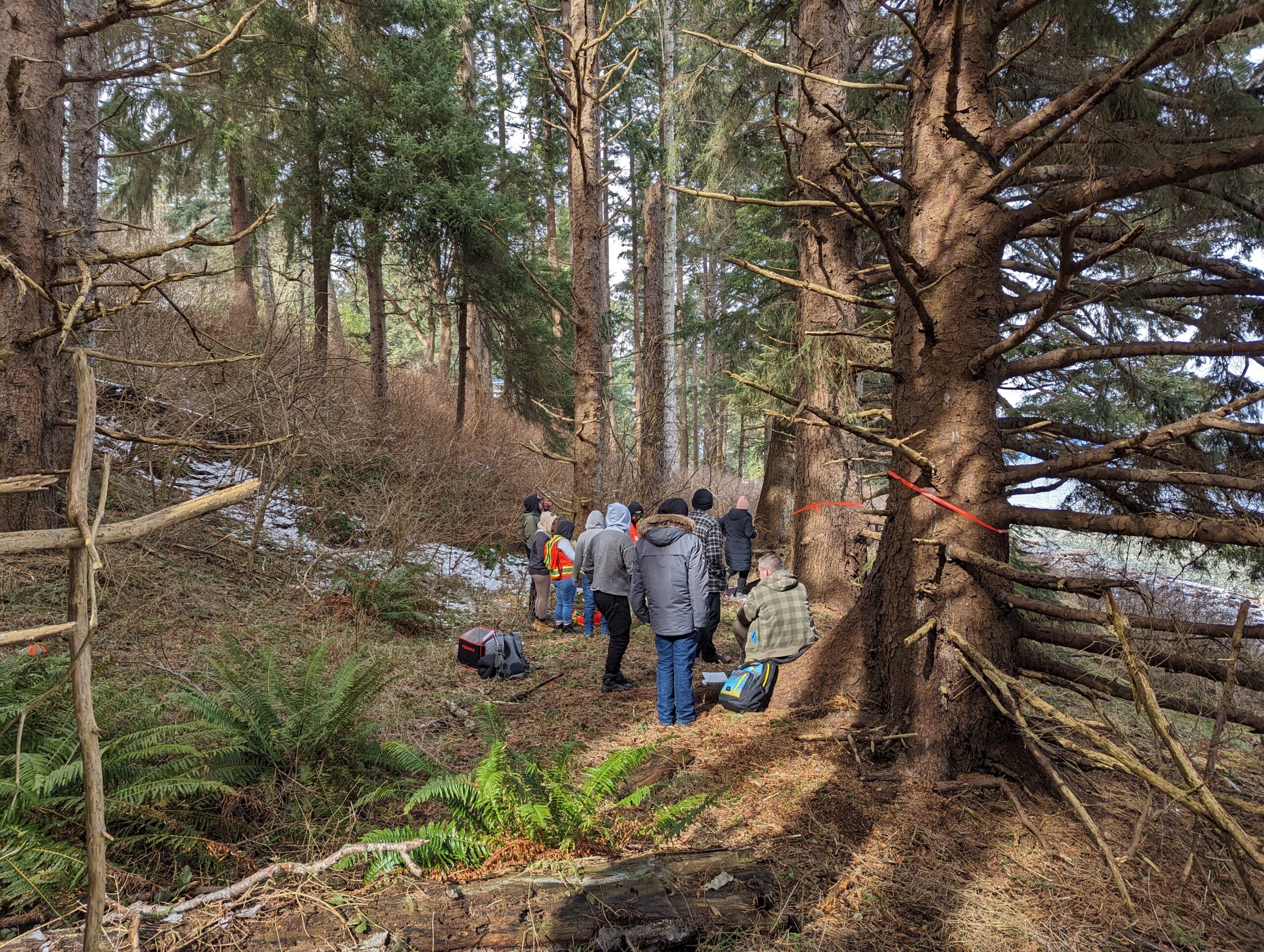
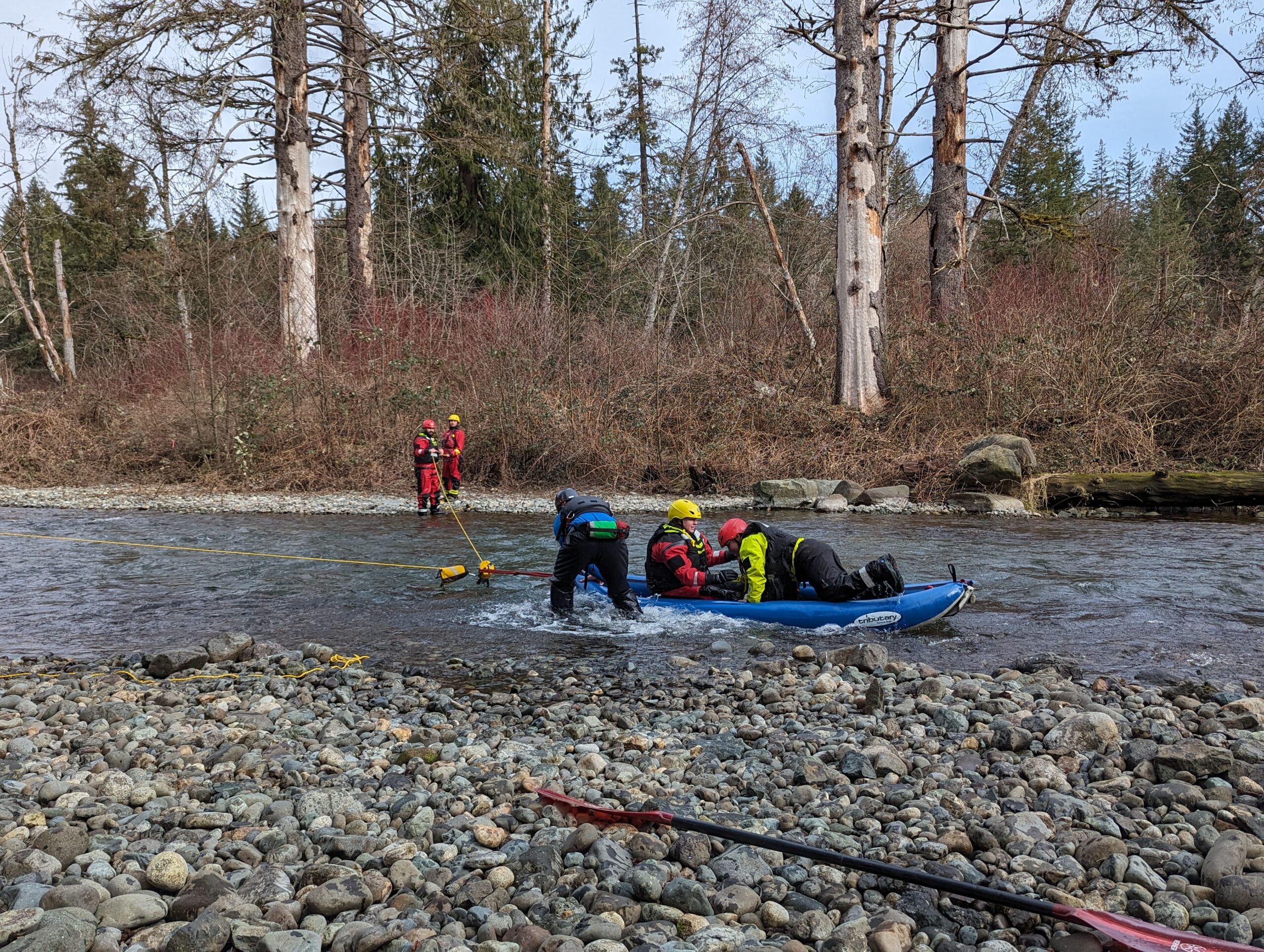
Specialist training is also offered from time to time in key skills such as Large Cultural Cedar and bear den identification, diving certification, and oil spill response, shoreline clean up assessment, and search and rescue response. Professional development training is also customized for Guardians. For example, in early 2026 a week-long management and leadership skills development workshop was co-developed by the Nanwakolas team with and led by consultant Aroha Miller for Guardians and Guardian Managers, covering common issues and developing key skills and assets for managing a Guardian team, and in 2025 a Safety Systems and Risk Assessment workshop was co-developed with and led by Ron Morrison at Raven Rescue
An invaluable service
“When I first became a Guardian—even before that—I basically just said yes to everything that Nanwakolas was offering,” recalls We Wai Kai Guardian Manager Shane Pollard. “I thought, how can I make myself as useful as possible as a Guardian? I said yes to every training opportunity I could. That’s what got me here to the position I’m in now.”
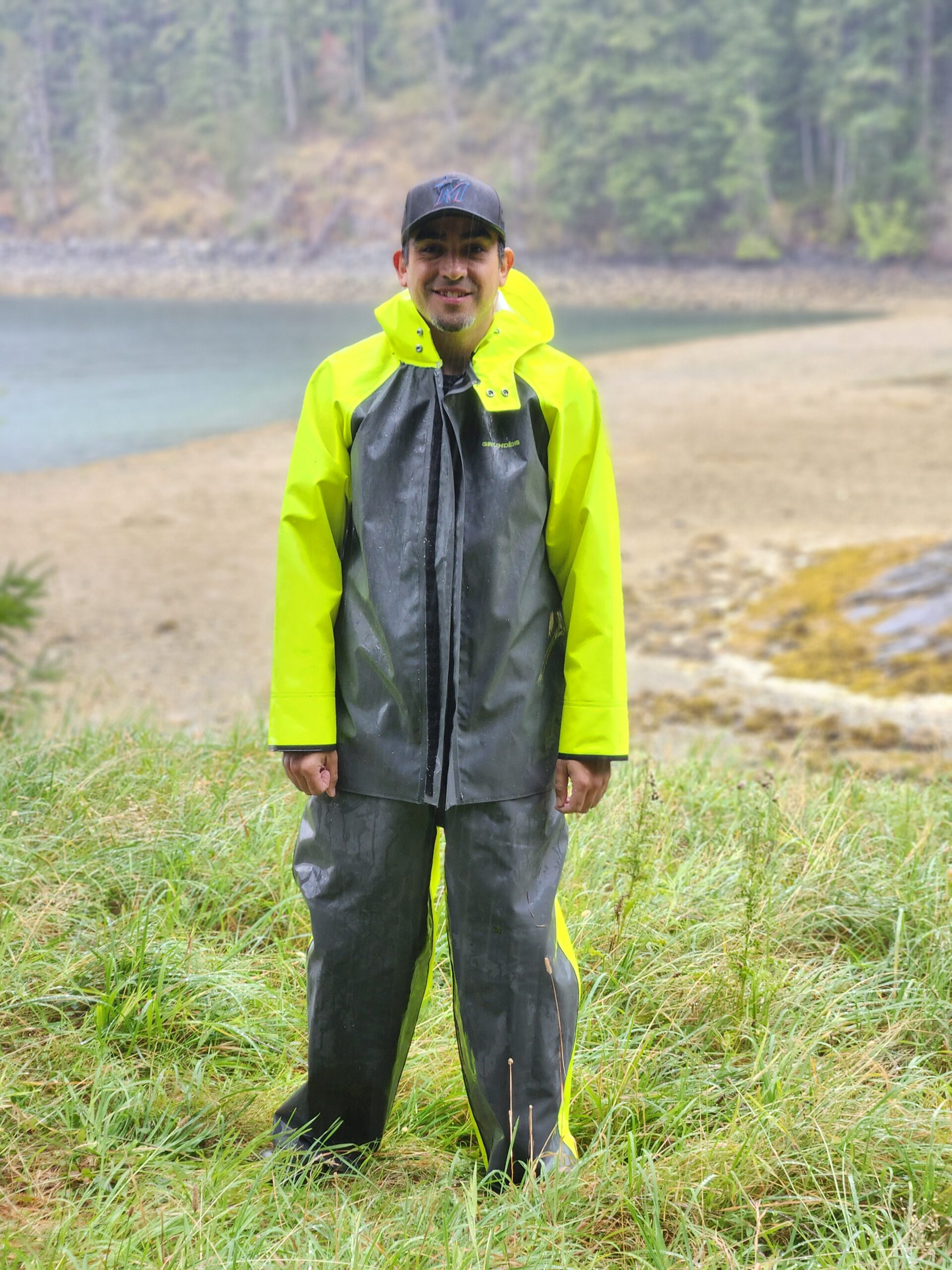
“The biggest thing for me is the connection,” says We Wai Kai Guardian Scott Assu, who has also participated in a wide range of the training opportunities offered through Nanwakolas and is currently studying archaeology at SFU. “I get to meet almost all the other Guardians from the other First Nations, develop friendships, and build my network of contacts and relationships across the territories. All of our interactions in the training and all the conversations that take place between us at these events are invaluable to me.”
Taking all the training also, Scott points out, “makes me very employable in so many different fields. You can do whatever you want to, eventually. I’m even using it in my archaeology studies – I have been able to use a lot of my experience as a Guardian in creating archaeological impact assessment maps, for example. I was able to use my place-based knowledge and my skills in cedar identification for the project. My professor loved it. He said he had never seen anyone do it that way before. That’s pretty cool!”
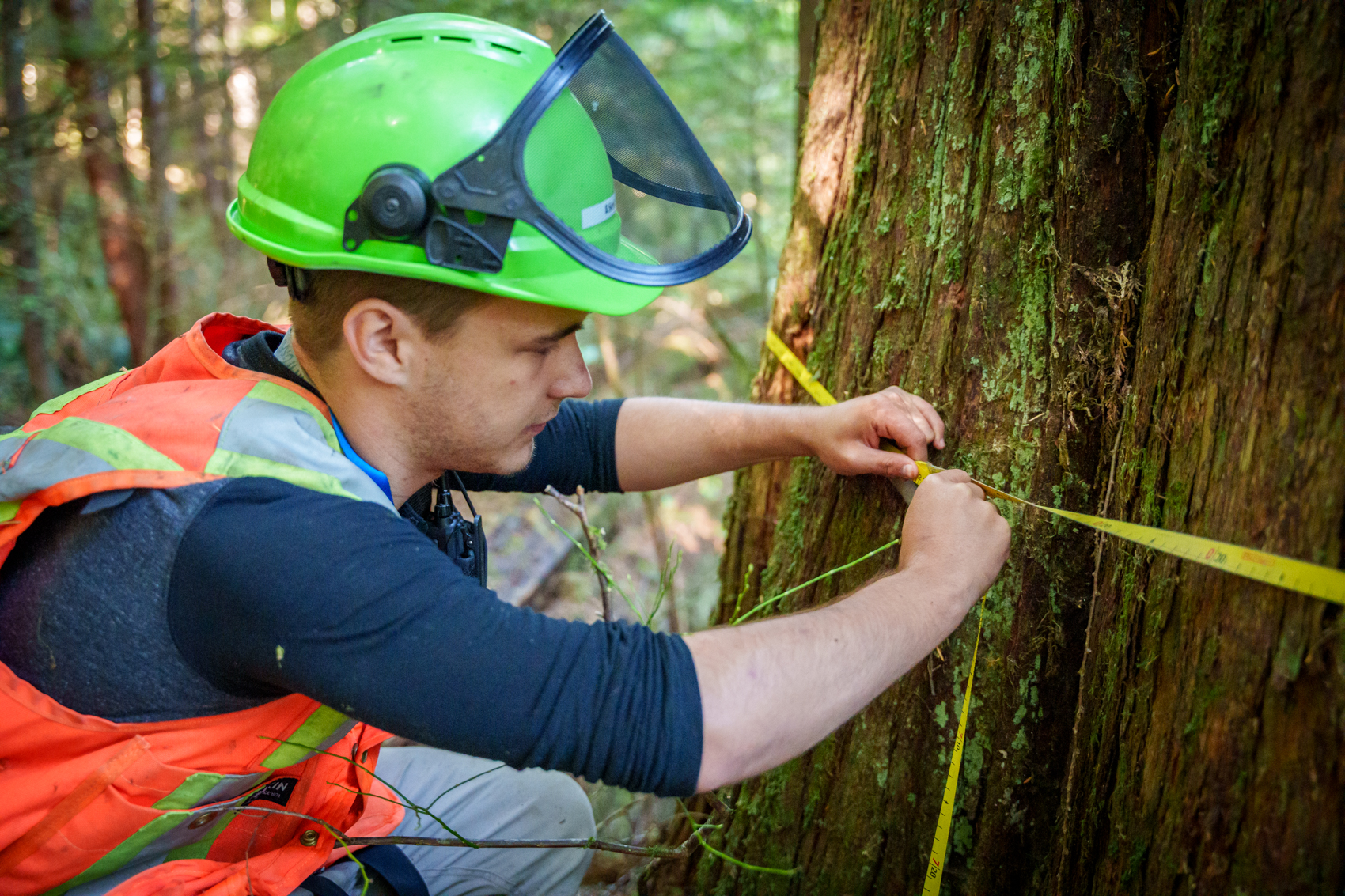
Connections with partners is also invaluable, say Scott and Heidi. Having direct access to the partners like Canadian Coast Guard, who offers search and rescue and marine environmental hazard response training, and to all of the instructors from partner organizations, is another helpful tool in the Guardians’ toolkit, says Tashina. “They may be back out at work and see something that they have a question about, or need to report, and now they have the contact information they need to follow up on that. Those relationships are really important and helpful.”
A unique model
Guardians are skilled professionals, monitoring the lands and waters in their territories, undertaking scientific research, upholding their Nations’ rights and title, and working with partner organizations to support the goals of their Nations and protect their territories. They are also incredibly busy people, often working long days and weekends, especially when there is an environmental incident or crisis in their territories and they are needed in the response, as happened when a loaded diesel truck rolled off a barge in Chancellor Channel in 2023.
“That’s why we intentionally build our training delivery for the off-season,” says Heidi. “We load up the winter because that’s when the Guardians have more availability to attend.” Heidi makes sure she is in regular conversation with the Guardians throughout the year as well, meeting with them and joining them in the field whenever possible. “That way I can hear directly from them what they are looking for in the training, and what additional support they might need.”
The other important consideration, she adds, is the unique nature of the Guardian role. “We’ve recognized that delivery of any training, even if it is standard industry certification like first aid or wildland fire fighting, can be improved to be more relevant to the challenges they face in their work. It has to be training that supports their ability to deal with those challenges, and it has to be delivered in a way that works for them.”
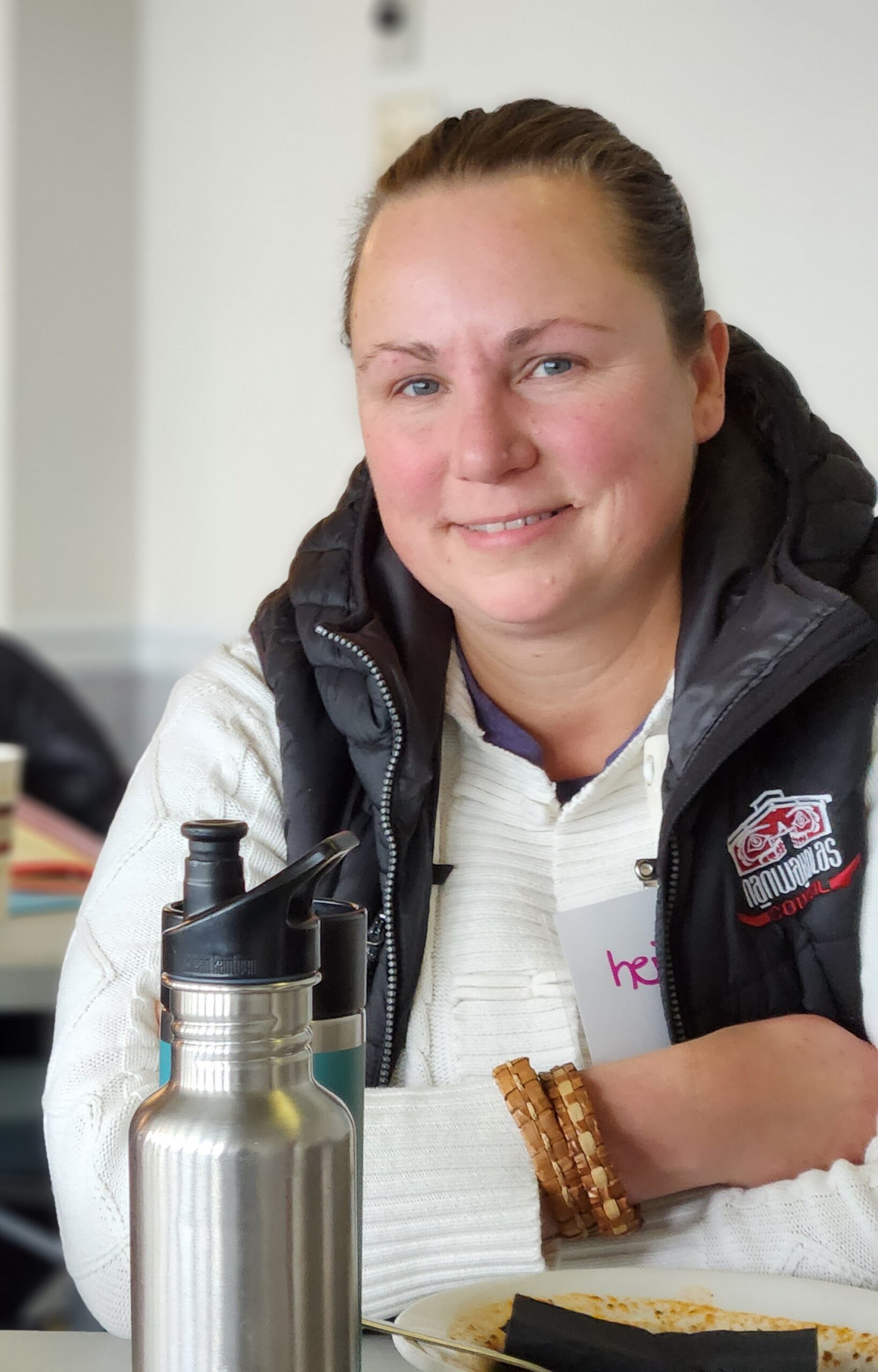
Respect, Reciprocity, Relevance, Relationships, and Responsibility
Training is delivered by industry professionals in the various fields that Guardians are working with, and it is important that those people understand what Guardians do and why they want that type of training, says Tashina. “Our model has to be delivered with that understanding. The instructors also have to subscribe to the respect, reciprocity, relevance, relationships, and responsibility.”
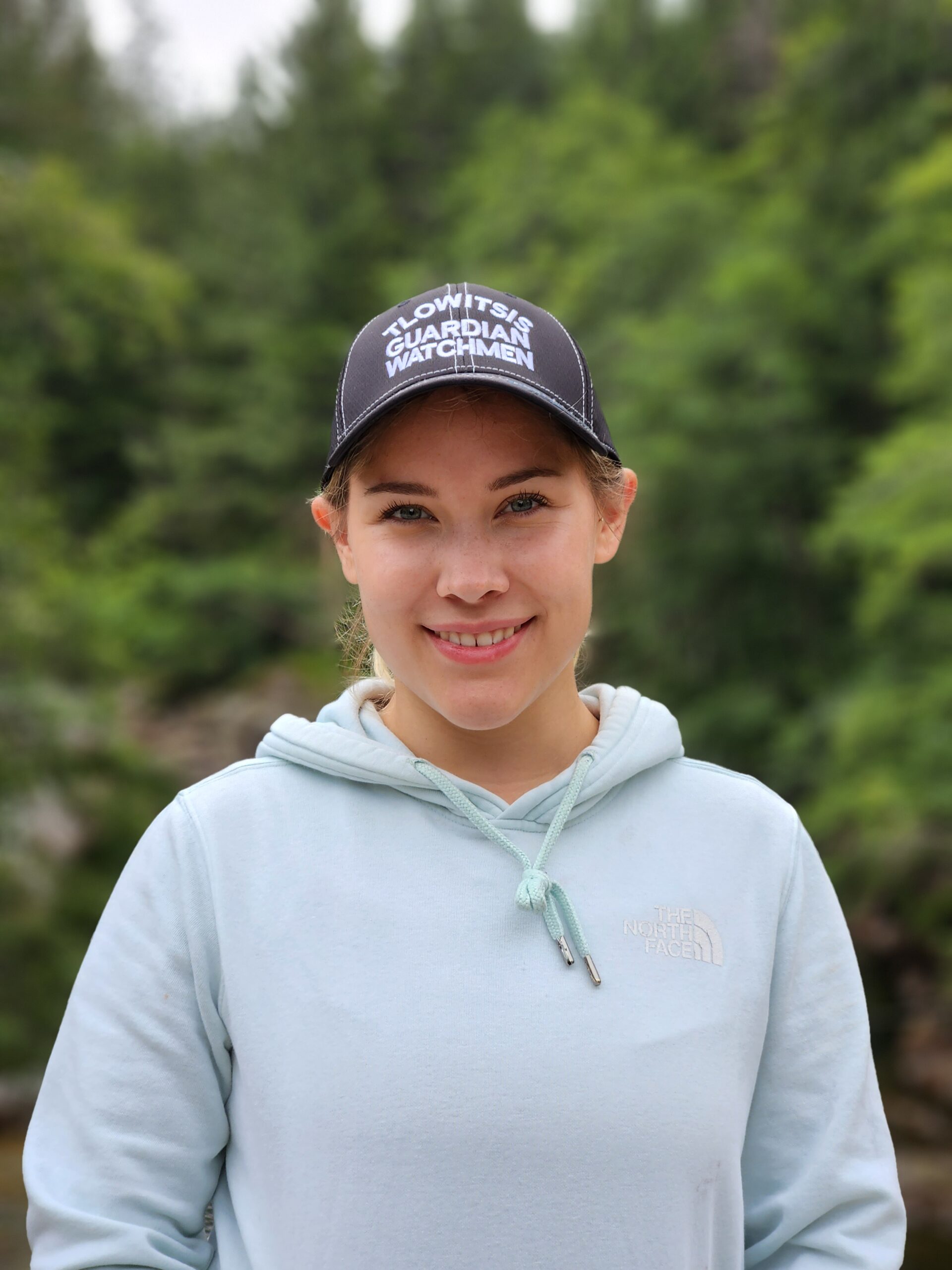
As a former Guardian who has been through both the provincial education system and enjoyed training delivered through an Indigenous, people-centred lens, Tashina draws on that experience to ensure that Nanwakolas training opportunities are delivered in a way that works best for the Guardians, utilizing a framework for the training program developed by former Nanwakolas Council cultural advisor Charlene Everson of K’ómoks First Nation.
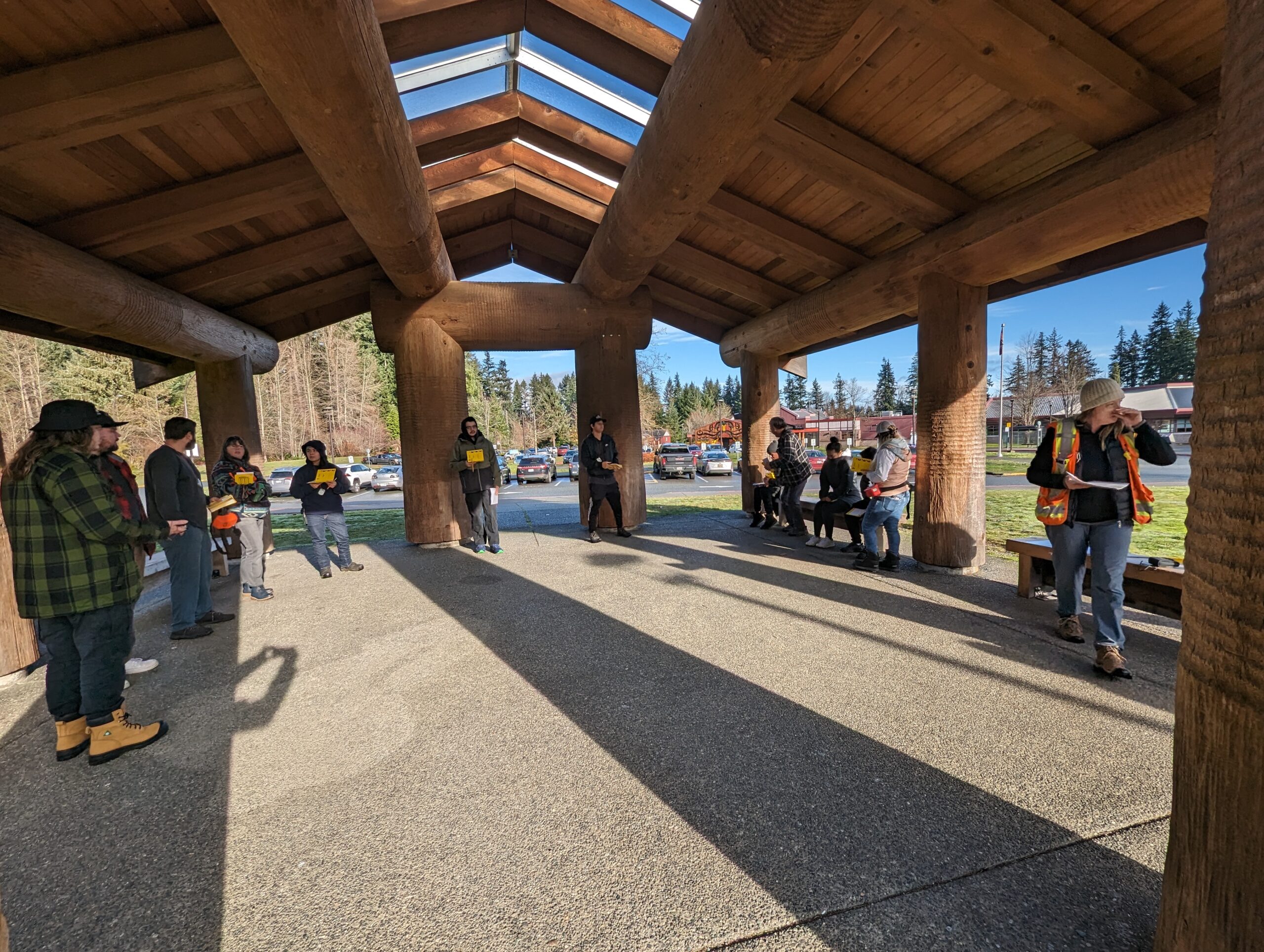
“We make sure, for example, that the instructors are fully briefed on what Guardians do and how they need to interact with them. We provide a guide on what the five Rs mean. We ask them to respect First Nations’ culture and language, and to educate themselves about the local First Nations and whose lands they are on. We emphasize that learning is a two way or reciprocal process—they can learn from the Guardians, too. We make sure the course content is directly relevant to their work. We emphasize that building relationships is essential in the world of the Guardians. We also stress the responsibility of instructors to understand and meet the needs of the Guardians. For example, we know that sitting in a classroom all day being talked at doesn’t work very well. Some classroom time is needed, of course, but we also know that Guardians typically learn really well by hands-on practice out in the field.”
The instructors really appreciate this guidance, adds Heidi. “It’s always well-received. The feedback from instructors is typically how much more they enjoyed delivering the course because they had been prepared for what to expect, and with ideas on how they can show up in a good way, or how they valued how much they learned from the Guardians as well.”
The Nanwakolas approach: 360 degree support
All of this, says Tashina, means that Guardians receive training in a way that works best for them. In addition, part of her role as Logistics Coordinator is to ensure the Guardians have everything they need to complete any training initiative. That involves more than simply organizing venues, lunches and snacks, and scheduling.
“We do our best to solve or get rid of any barriers that people might have to attend training, for example,” explains Tashina. “Life happens, and sometimes someone might need a ride to class because their car broke down. We’ll go pick them up. If someone is sick we will try and reschedule them. We make sure they have the equipment they need to do the course. We always want to make sure everyone feels a part of it and that no one is left behind.”
“That’s one of my favourite parts about the Nanwakolas training, says Scott. “It’s always just about the training. I never have to worry about getting from Point A to Point B. I don’t have to think about getting lunch. I don’t have to worry about anything except what we are learning. It’s nice to be able to do that without all the other stresses of everything else that you usually have to in other situations.”
The support network for the Guardians also exists between them as individuals, adds Scott. “That’s the nicest part of the training,” he says. “We get together as Guardians from all of the First Nations, and we help each other learn. We build on each other’s strengths and support each other’s weaknesses. We get to collaborate across the Nations in a way that we don’t in our day to day work, when we are just working with our own team. That’s my favourite part of it.”
A stepping stone to other things
The training opportunities that Guardians receive through Nanwakolas have inspired some Guardians to do more, like Scott, whose interest in pursuing an archaeology degree was piqued when he did the Large Cultural Cedar training. The nature of training has also changed over the years, says Shane.
“When I first started,” he says, “our work was very focussed on conservation and enforcement, whereas now we’re leaning more towards scientific research and stewardship. The training we need is reflecting that more and more, and it’s good that Nanwakolas has been able to find ways to support that. Who knows what we’ll need five years from now? It’s pretty exciting. We will be doing some cool stuff, that I’m sure of.”
To learn more
Training needs and opportunities can differ from year to year. Questions? Are you interested in sponsoring Guardian training needs financially? You can contact Heidi at heidikalmakoff@nanwakolas.com for more information.