GREAT BEARS AND GREAT WORK IN THE GREAT BEAR RAINFOREST
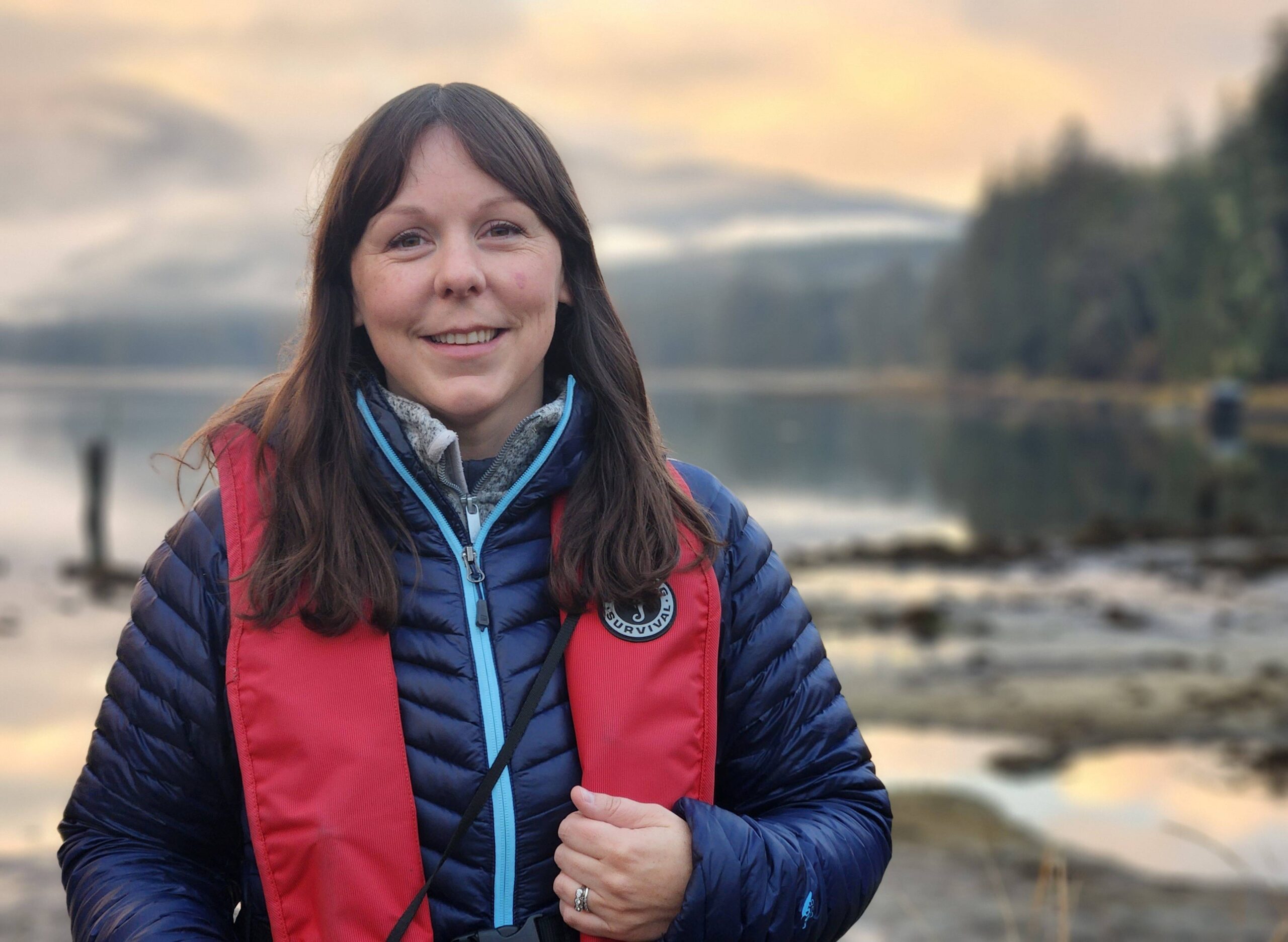
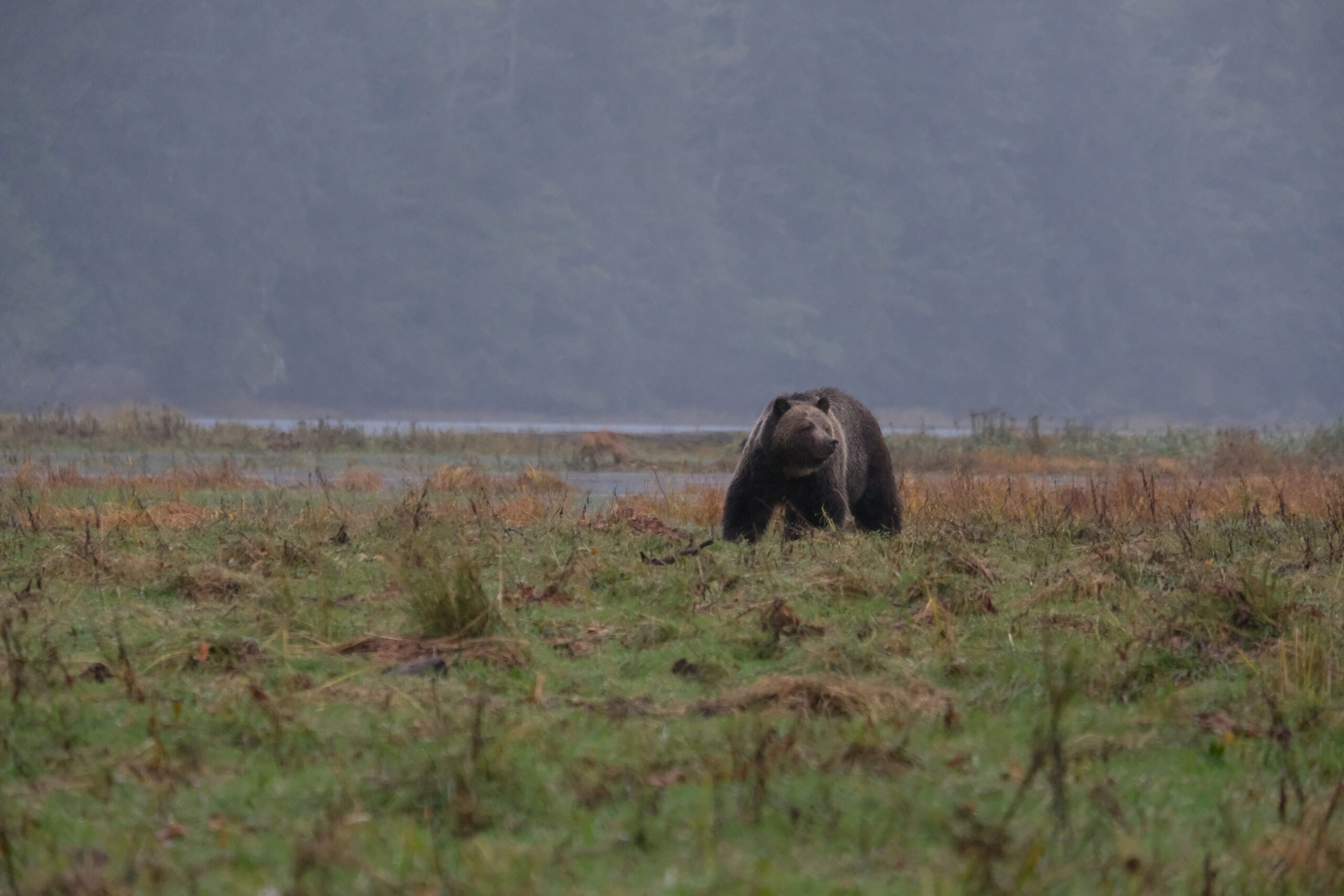
We last spoke to Nanwakolas Council wildlife biologist Dr. Melanie Clapham back in March 2020 about the collaborative grizzly bear research work she is undertaking with Nanwakolas Council member First Nations and the Ha-ma-yas Stewardship Network Guardians in the Great Bear Rainforest and on Vancouver Island.
Melanie shared the latest work being done at the time using facial recognition technology and new data gathering and analysis methods to track the movements of grizzly bears in the territories. We caught up again with Melanie in October 2025 to talk about what’s new with the bears—and why this work continues to be so important.
Grizzly Grand Central in Glendale Cove
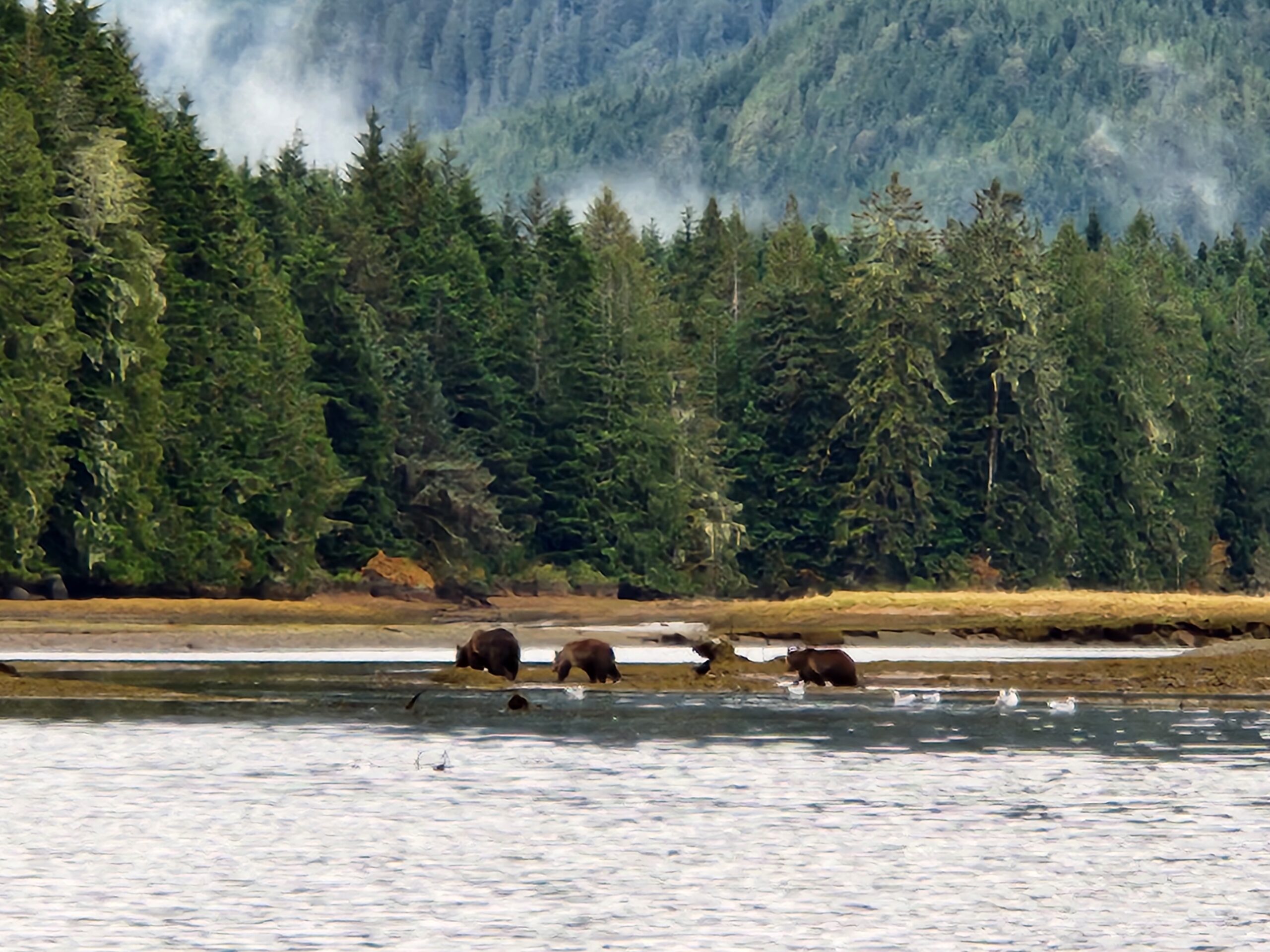
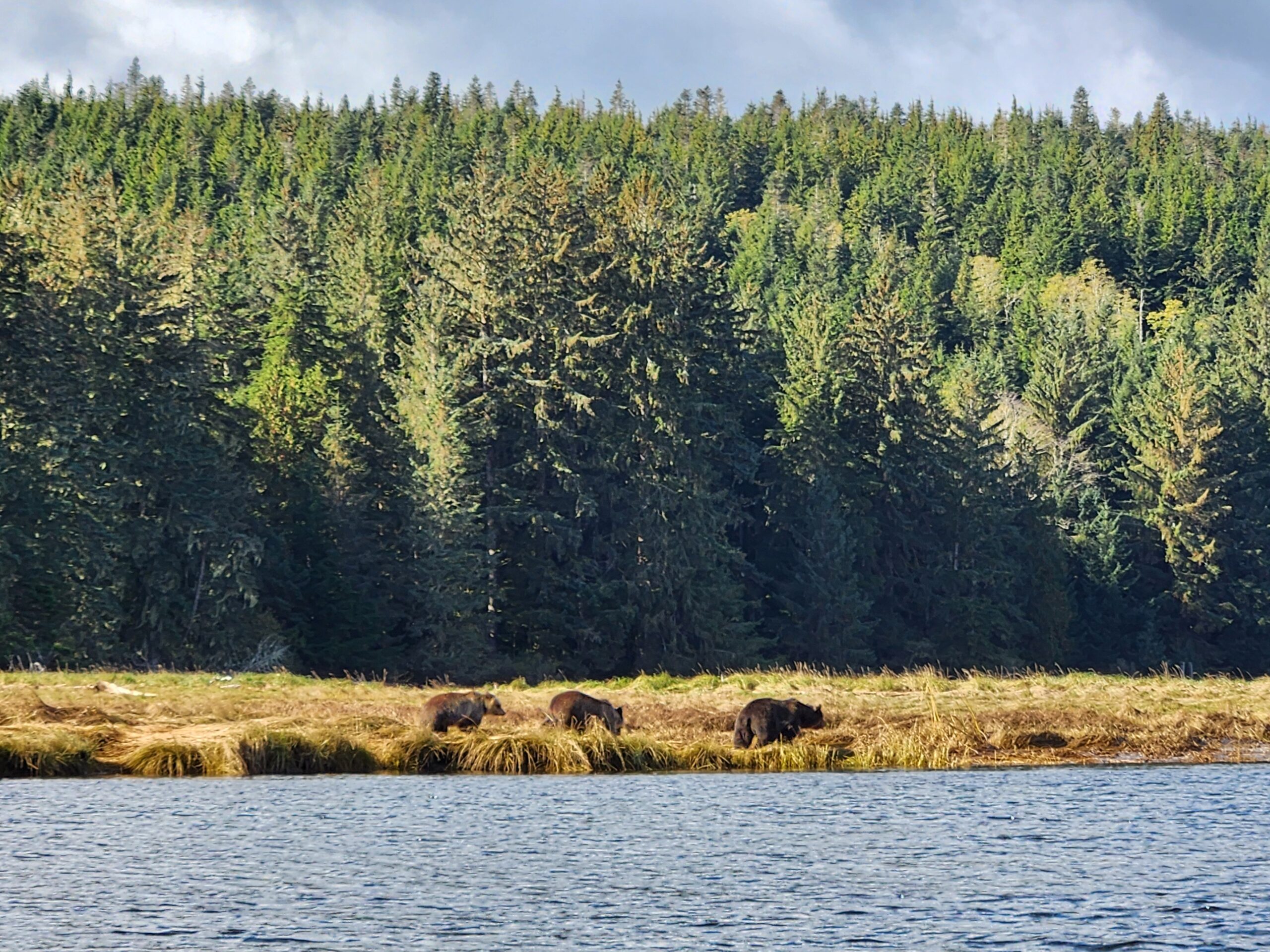
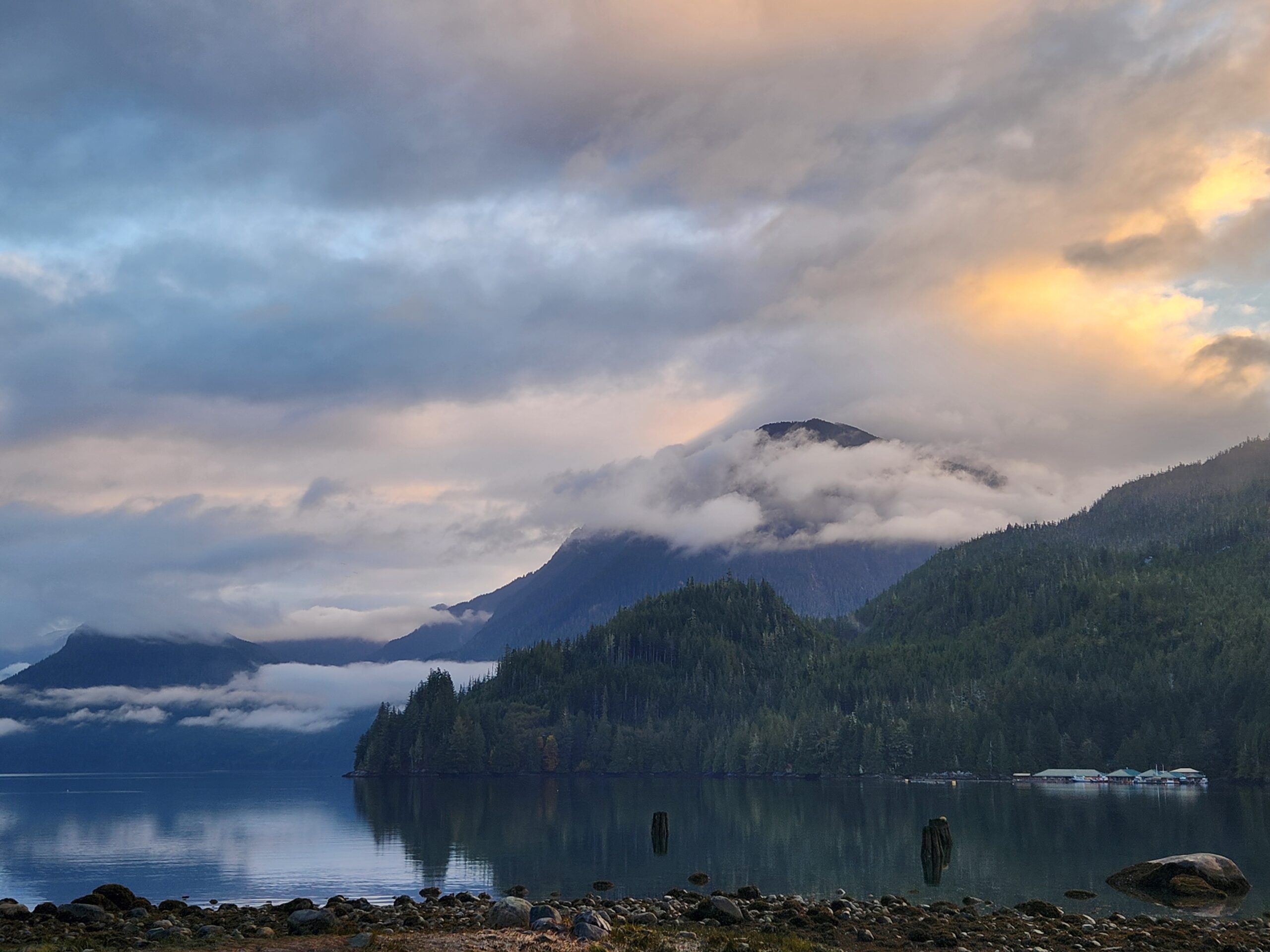
Based out of wildlife-viewing destination Knight Inlet Lodge, owned by five of the member First Nations of Nanwakolas Council, Melanie is working with the First Nations’ Guardians to research grizzly bears in Glendale Cove, in Da’naxda’xw-Awaetlala territory on the central coast of British Columbia—and she couldn’t be in a better place to do it.
For a start, Glendale Cove boasts a high density of the majestic animals. The researchers also enjoy the support of Knight Inlet Lodge, which helps with accommodation and meals and contributes financially to the work through a small levy on guest fees.
“Since the beginning,” says Melanie, “the research has been focussed on grizzly bear behaviour and the impacts of human activities on the bears.” That research has been going on in Glendale Cove with support from Knight Inlet Lodge since the 1990s, well before it was purchased by Nanwakolas Council member First Nations in 2017.
It’s a reciprocal benefit for the Lodge’s guests, many of whom return several times to enjoy the magic of seeing the bears in an incredible wilderness setting. The researchers’ work, says Melanie, “directly informs the interpretative programs at the Lodge. We pass on what we are learning to the bear guides who then share that with the guests. So by coming to the Lodge, the guests are not only contributing to research and monitoring of the bears that’s happening here, they are receiving that up-to-date place-based local knowledge as well to enhance their experience.”

What it’s all about…
Grizzly bears are important ecologically, culturally, and economically to First Nations, and when the Lodge was purchased, the research was broadened to cover the territories of all of the Nanwakolas Council member First Nations. The research works at two levels: “We look at grizzly bear distribution and occurrence at a species level,” explains Mel. “We study the distribution, movement, and occurrence of the bears on the landscape and how they move between different First Nations’ territories. We also look at how individual bears move across the landscape to learn about important places for them. What do bears need from the land? Are we providing that for them? What is impacting those important places?”
… and why it’s important
Apart from their importance to the First Nations, this research on the bears is valuable for several reasons: “Grizzly bears are a really important species to understand, because they are what’s called an umbrella species and an indicator species as well,” says Melanie. “By protecting grizzly bears and creating or protecting habitat that’s important to them, we can also protect a number of other species that also rely on those habitats. It’s a way of conserving and protecting multiple species by studying one species.”
“The bears are also an indicator species, which means that by studying them and potentially how their occurrence and their behaviour are changing over time, we can get a better understanding of how environmental change, for example, could be affecting not just bears, but biodiversity in general on the land.” This knowledge then informs the First Nations on whether current landscape policy and practices in the Great Bear Rainforest are adequately protecting the bears, and what changes need to be made.
A long distance view
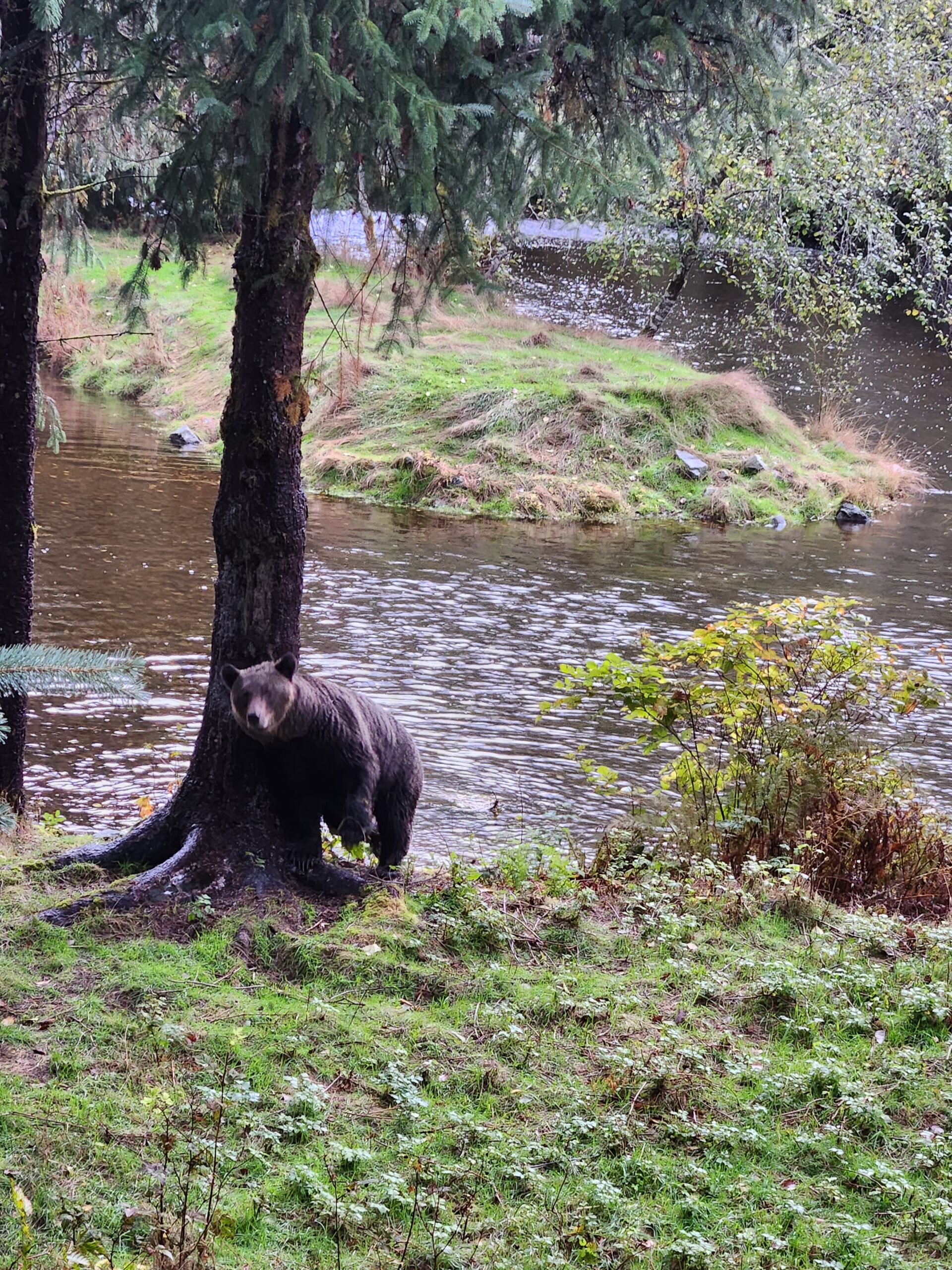

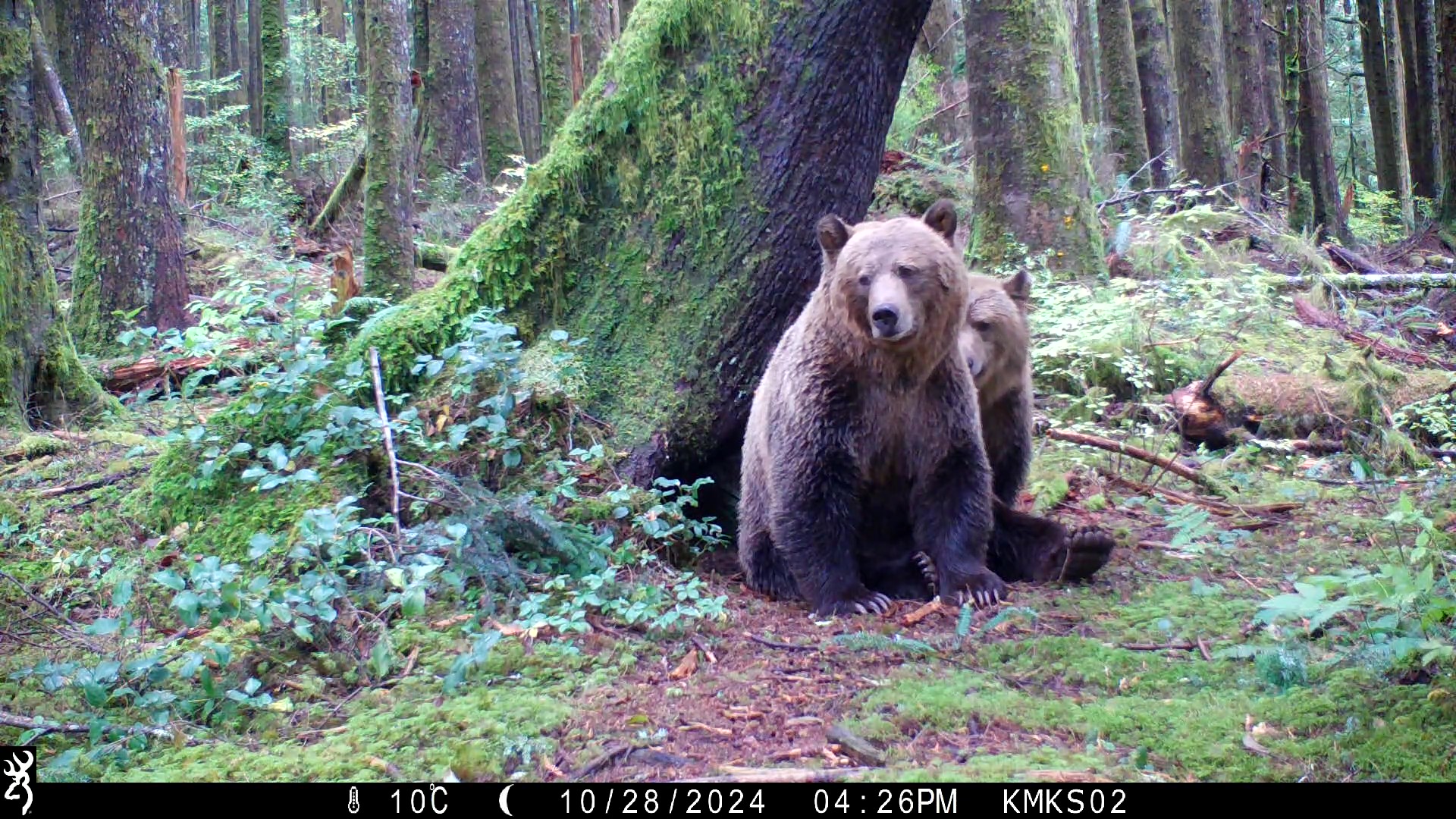
“Our main method of data collection is using remote trail cameras. These are cameras that we set up in the forest, attached to trees generally in places where we think bears will be passing by,” says Mel. These cameras are collecting data constantly while in place: “If wildlife comes past the camera, we record the date and time where the animal was detected. Then we examine the footage to see exactly what the species was, the age and sex of that animal, and possibly even the individual identity of that animal as well, using facial recognition software that we’ve developed.”
To be able to identify individual bears, Melanie and her team have been working on what is known as the “Bear ID Project.” “This is a tool to help recognize bears just from images of their faces,” she explains. “We use the camera trap footage that we’re collecting to develop software that we can use to track individual bears and their movements over time. That’s important because you can imagine, if ten different bears are using one river system, that river system could be more important for bears overall than just one individual is using that site repeatedly. By identifying individual bears and looking at their movements over time, we build up a more thorough understanding of their habitat use.”
Remote cameras were chosen for the research approach because of their non-invasive nature: no bears have to be captured and collared in order to study them. The cameras have another benefit as well, as they can provide much broader and long-term data over a large area. “By placing cameras across the landscape in different places, maybe different watersheds, maybe key watersheds of interest to First Nations, we can understand what is happening at a more landscape scale. By keeping these cameras up over multiple years, we can assess how that’s changing over time as well.”
Guardians doing the work
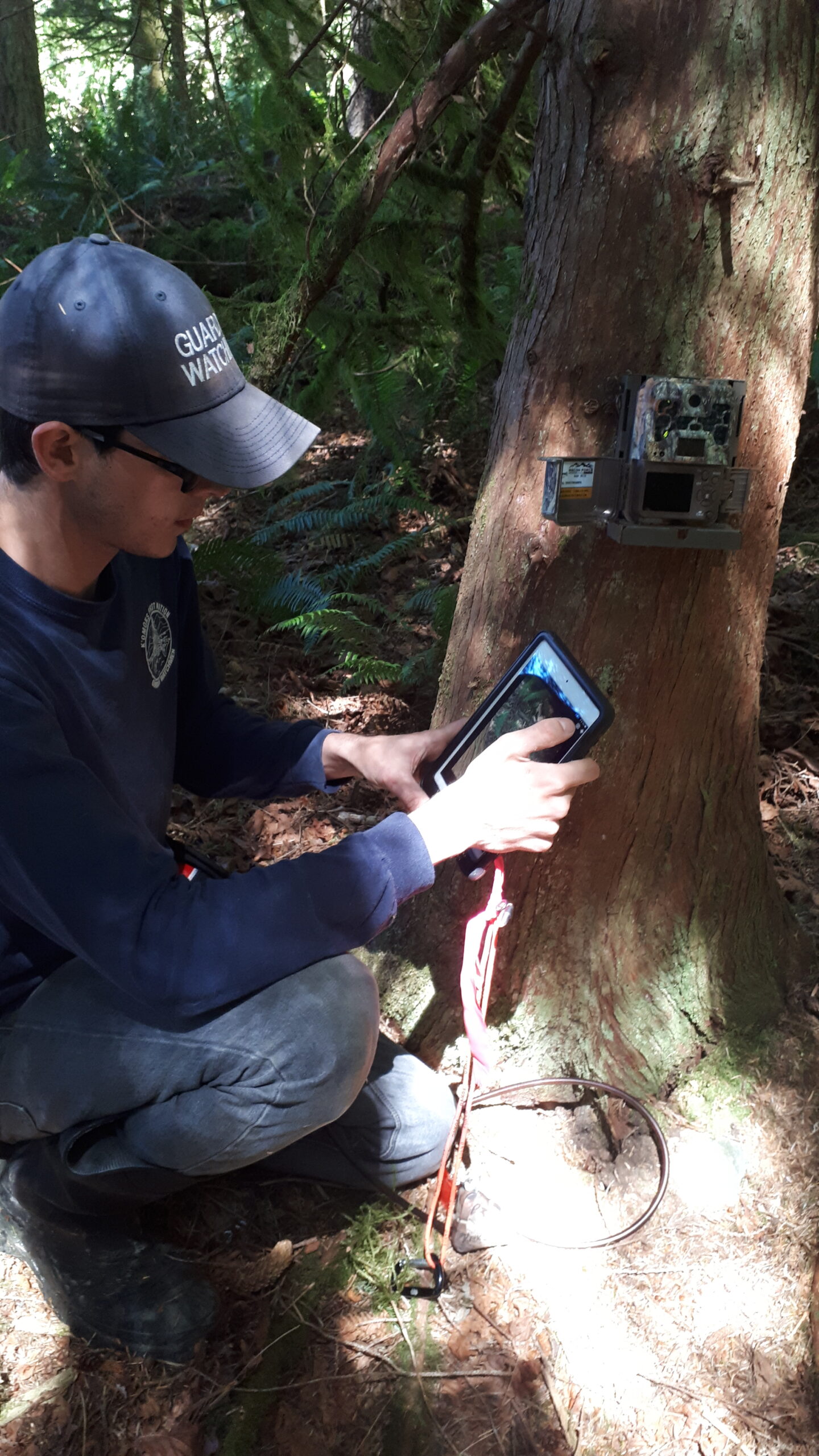
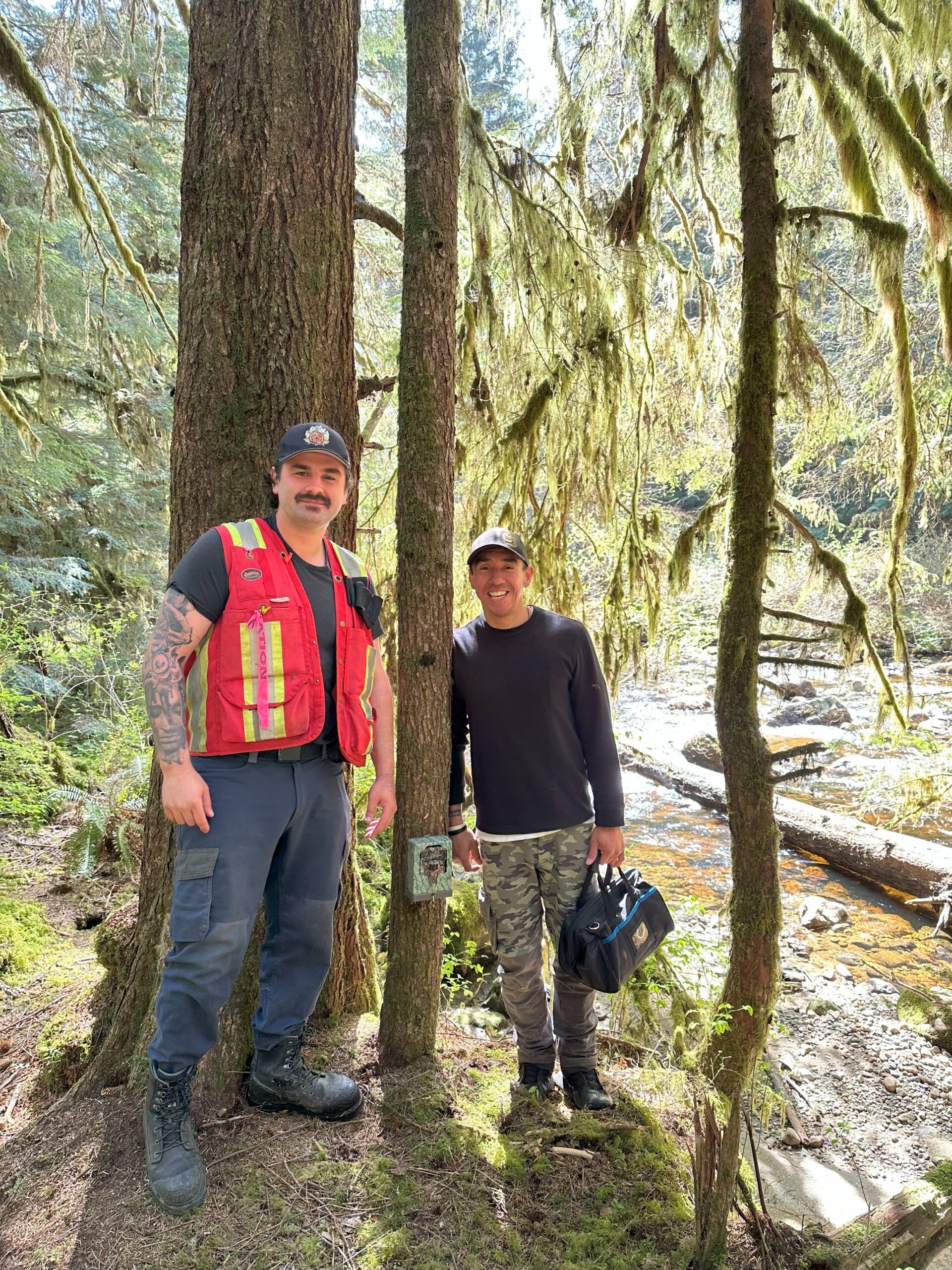
Setting out remote cameras, and maintaining them over a field season, is—not to put too fine a point on it—hard, hard work, and the First Nations’ Guardians are at the forefront of that work. First, their deep place-based knowledge of the territories guides the best places to put the cameras, which are then installed by Guardian teams at the beginning of the field season each spring. Guardians also regularly visit the cameras throughout the season to maintain them, check the footage, and replace their batteries.
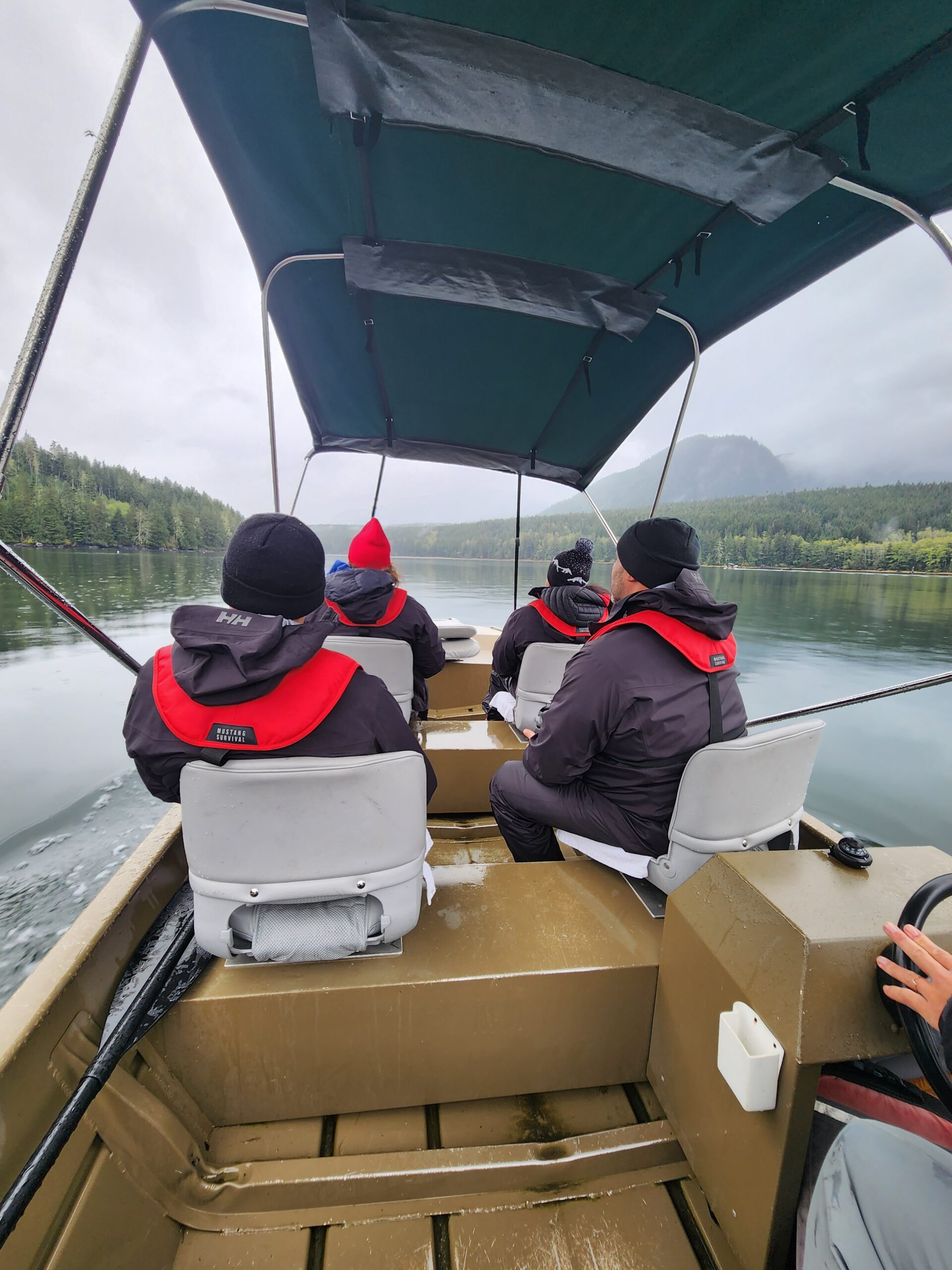
None of that is easy. “Sometimes it can take a whole day just to access one camera site,” observes Melanie. “These sites are often remote, hike-in locations with no vehicle access.” Boat access is often tide-dependent, and weather can add to the challenges: “But regardless of whether it is raining or hot, whatever the weather, the cameras have to be checked because we don’t want to risk missing out on weeks or even months of data if the batteries have died or an animal or falling tree have damaged the camera.”
At the end of the season, the cameras and the last of the data for the year are collected by the Guardians, who also process the data for analysis.
What we are learning
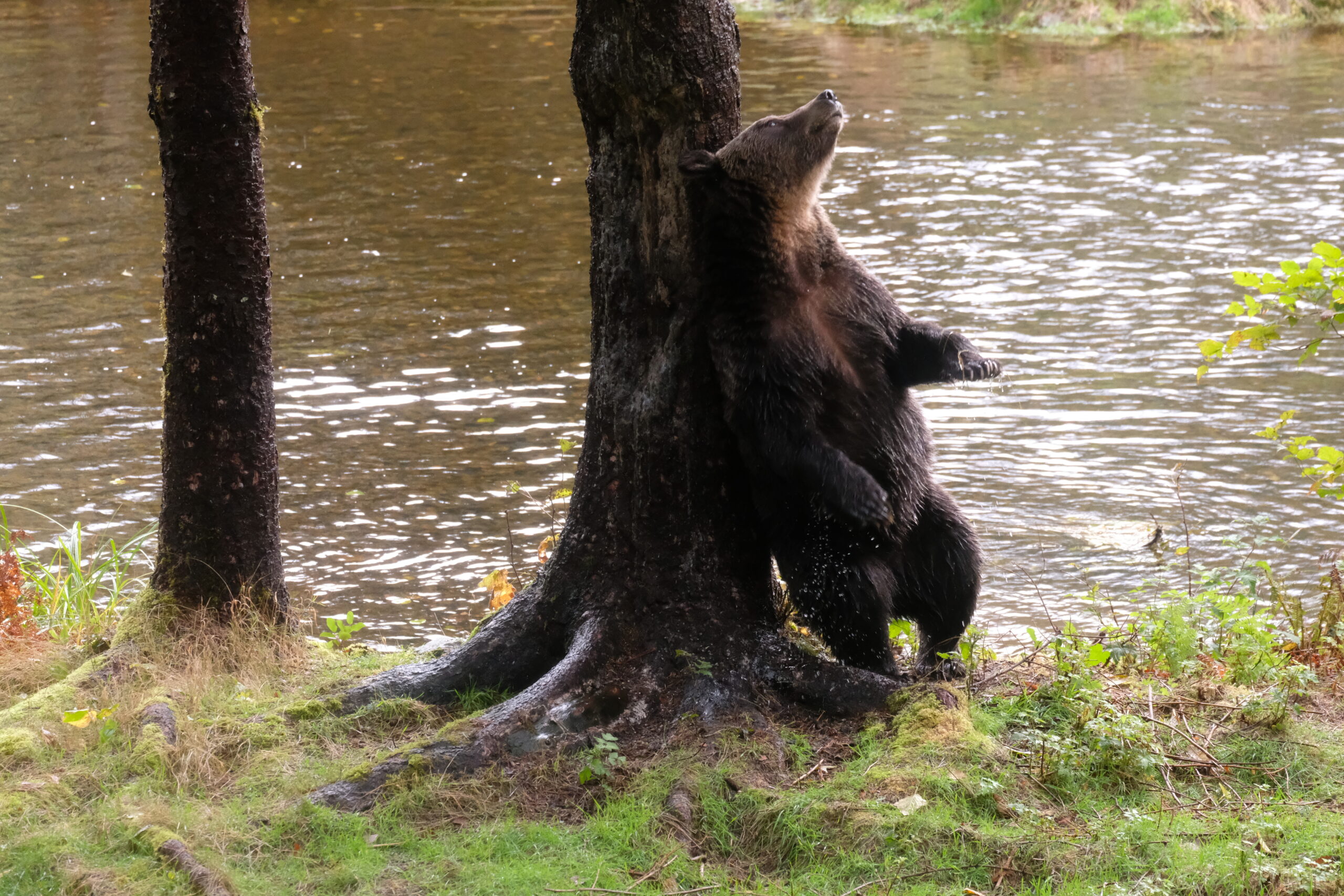
“We can answer a lot of questions by examining the footage,” says Melanie, who works with the Guardians to compile the footage and analyze it. “For example, what time of year we see bears the most, where we are seeing them, how that changes over time or in relation to events like the salmon runs. A poor salmon run often correlates with fewer cubs the following year, for example. It isn’t just bears, either—we are able to see and assess many other species, from small mammals to wolves, cougars, deer and elk. It’s nice to be able to capture that data across a broad scale, too.”
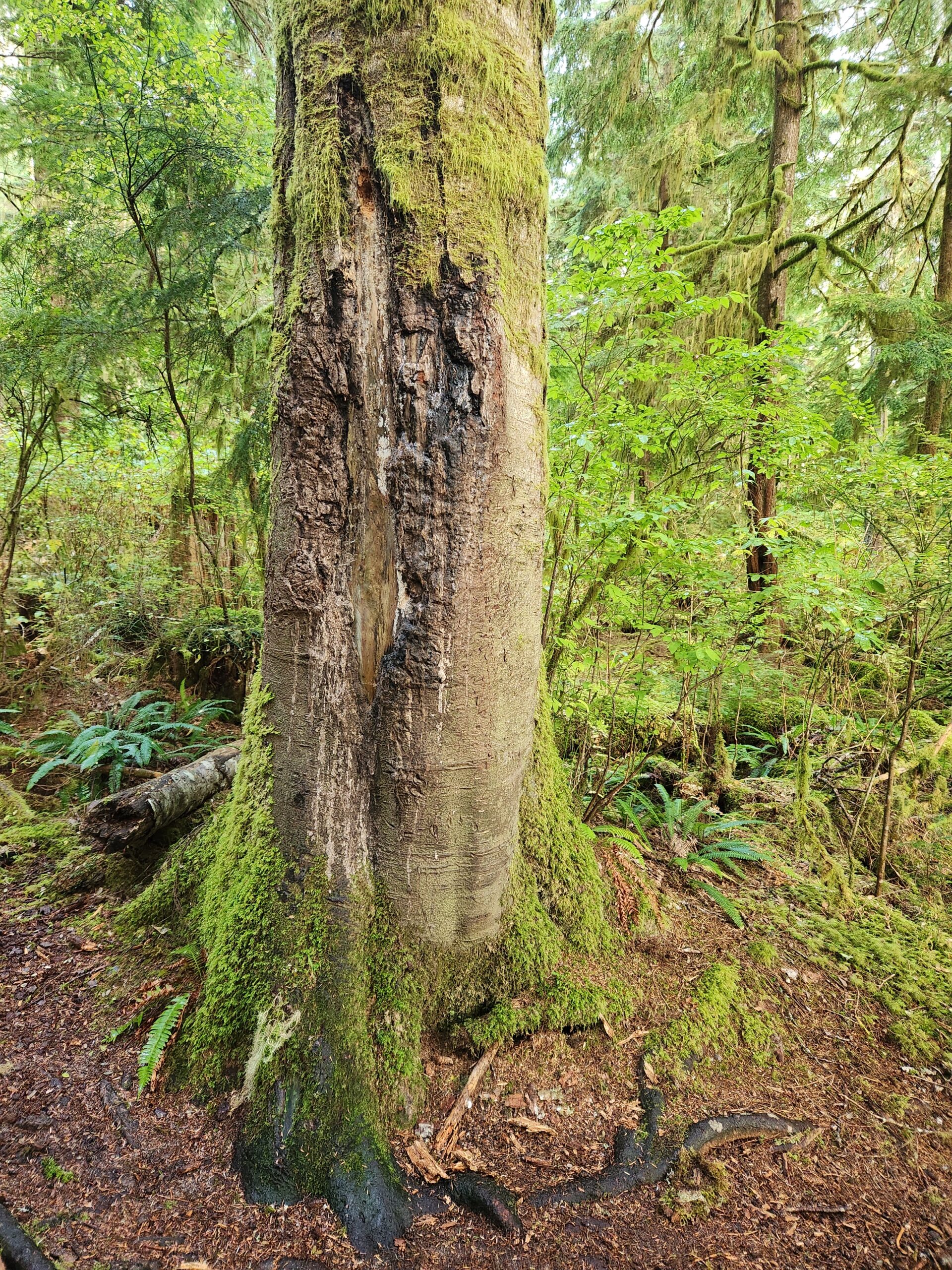
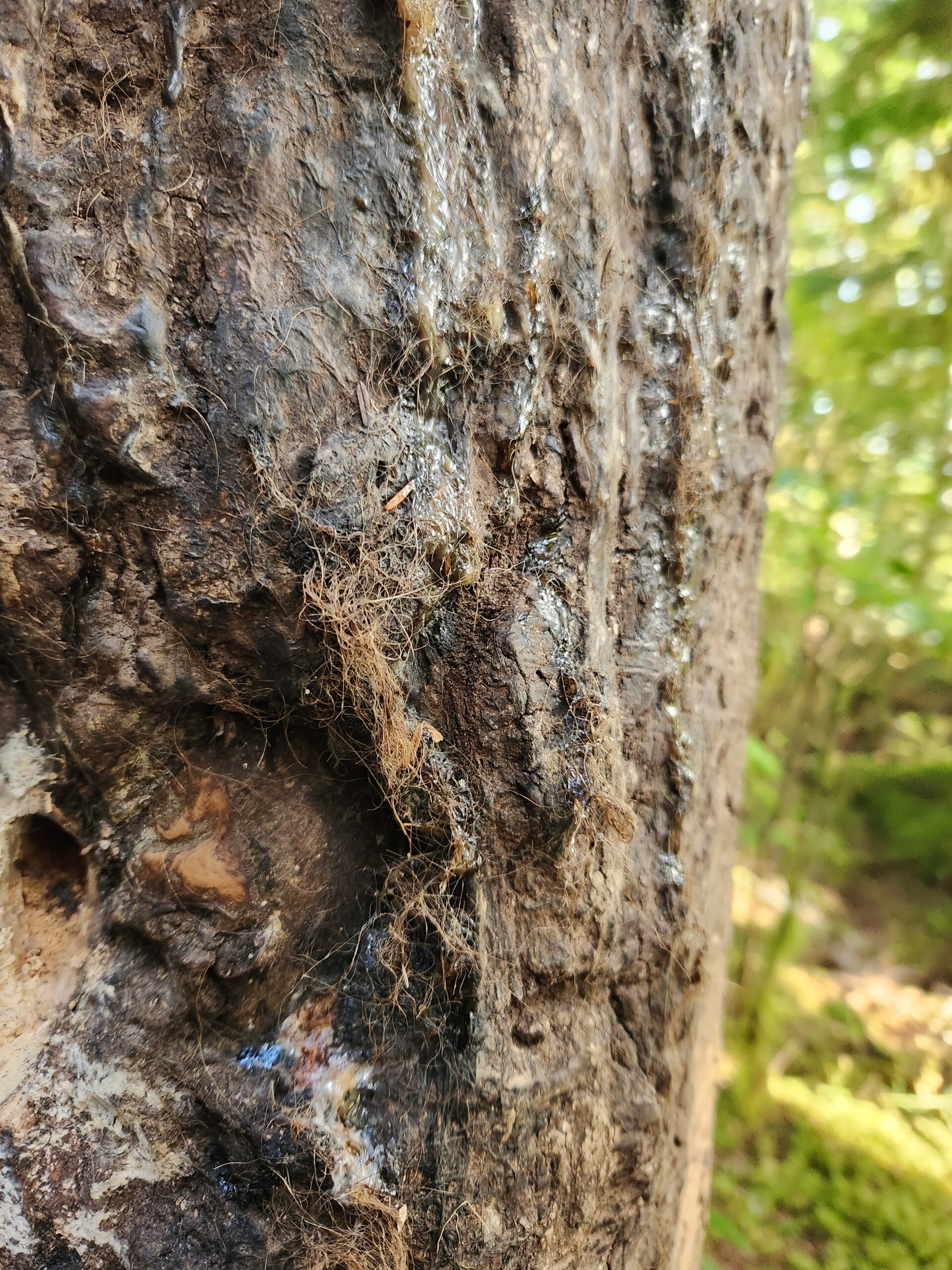
Cameras are typically placed where the research teams expect to see bear activity—along trails, for example, and near what are called “rub trees,” or trees that the bears use to mark their scent and communicate with other bears. “It’s a fantastic place to focus our camera. We know that this area will be used by multiple bears because different bears will come investigate the tree, maybe rub on the tree themselves, and then that next bear that comes along will smell the tree and understand and learn about the previous bear that was in the area.”
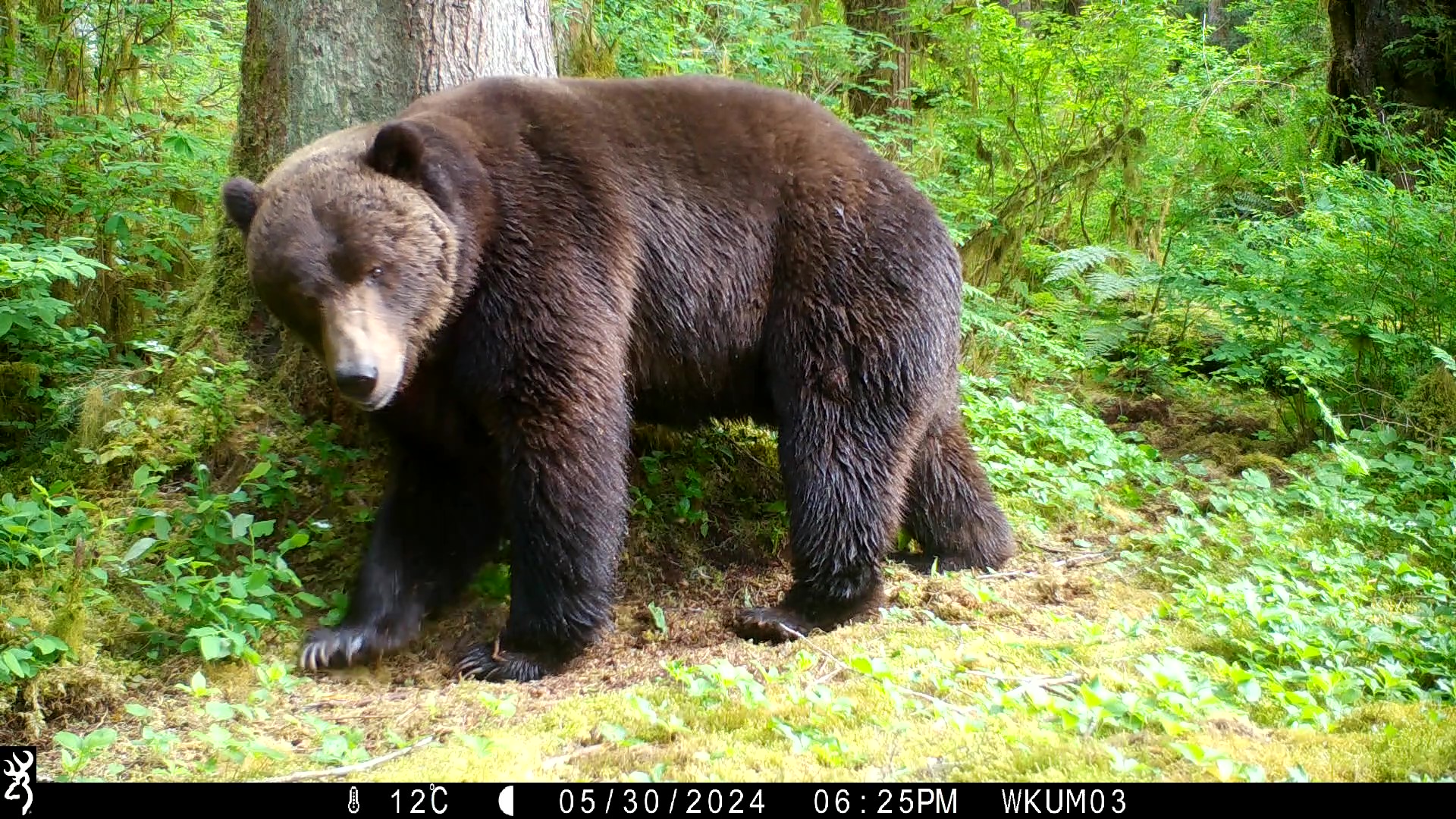

Not least of all, says Melanie, some of these trees have evidence that they’ve been used potentially for hundreds of years: “Bears understand where these trees are within their home range. They visit these trees when they come back into an area. If we see a male bear on camera, for example, he will come and he’ll move from rub tree to rub tree to rub tree, and then potentially, he’ll find a female to breed with. We think that bears retain the knowledge of where they are over time, so they’re an important habitat feature to protect.”
Reality “TV” – how bears really behave
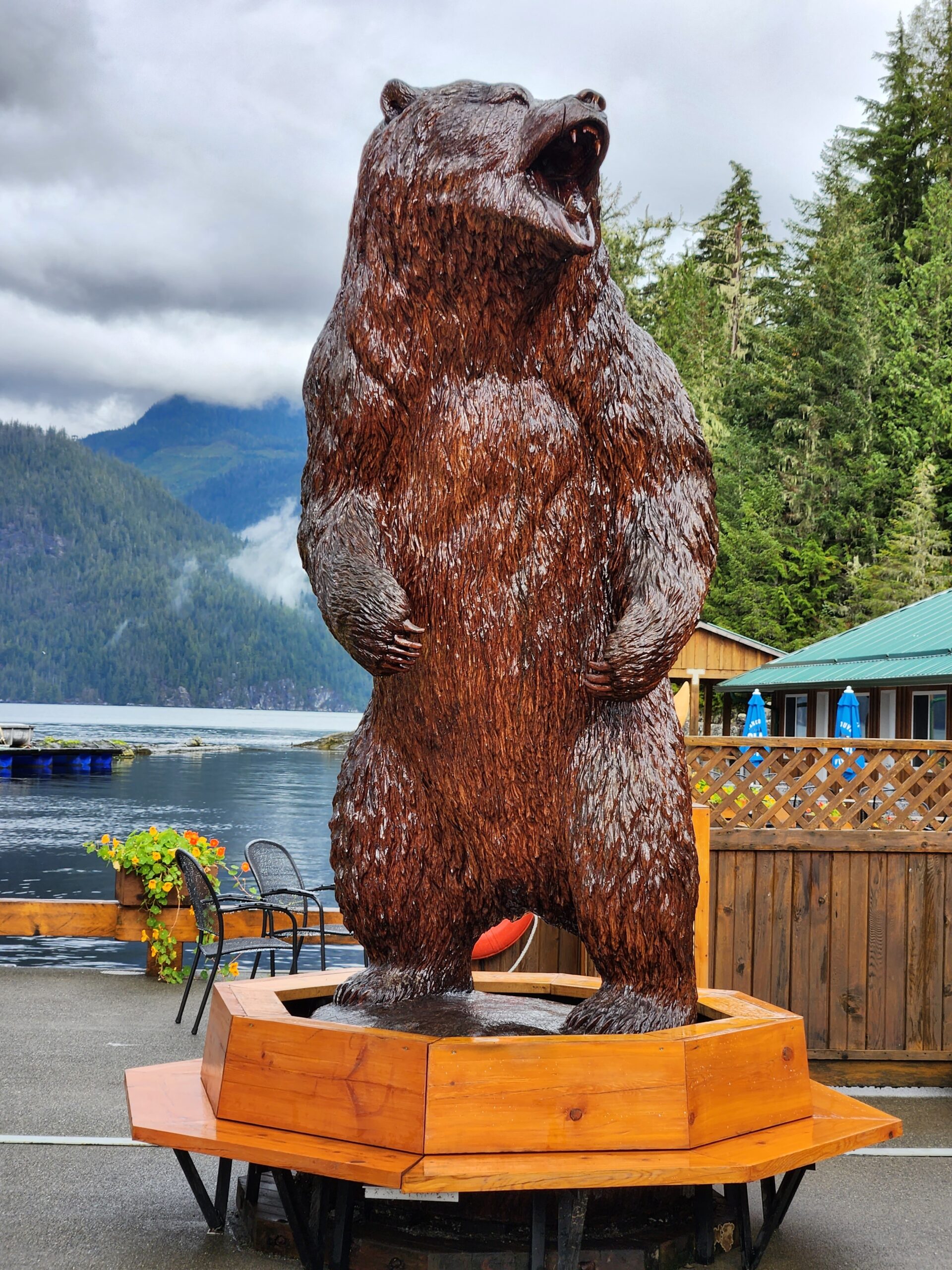
Sorry if this disappoints anyone but bears often don’t behave like they are portrayed in Hollywood films: no standing on their hind legs and roaring incessantly at humans and at each other. “What we see on the cameras is a different side to bears than what we usually see on the TV or in movies,” confirms Melanie. “It’s really getting to know grizzly bears for who they are, and understanding their day-to-day lives, which is not as dramatic as what it may seem. Bears are just going about their day, trying to eat, trying to interact, trying to breed, trying to take care of their cubs. It’s really nice to get that understanding of them, of just bears being bears.”

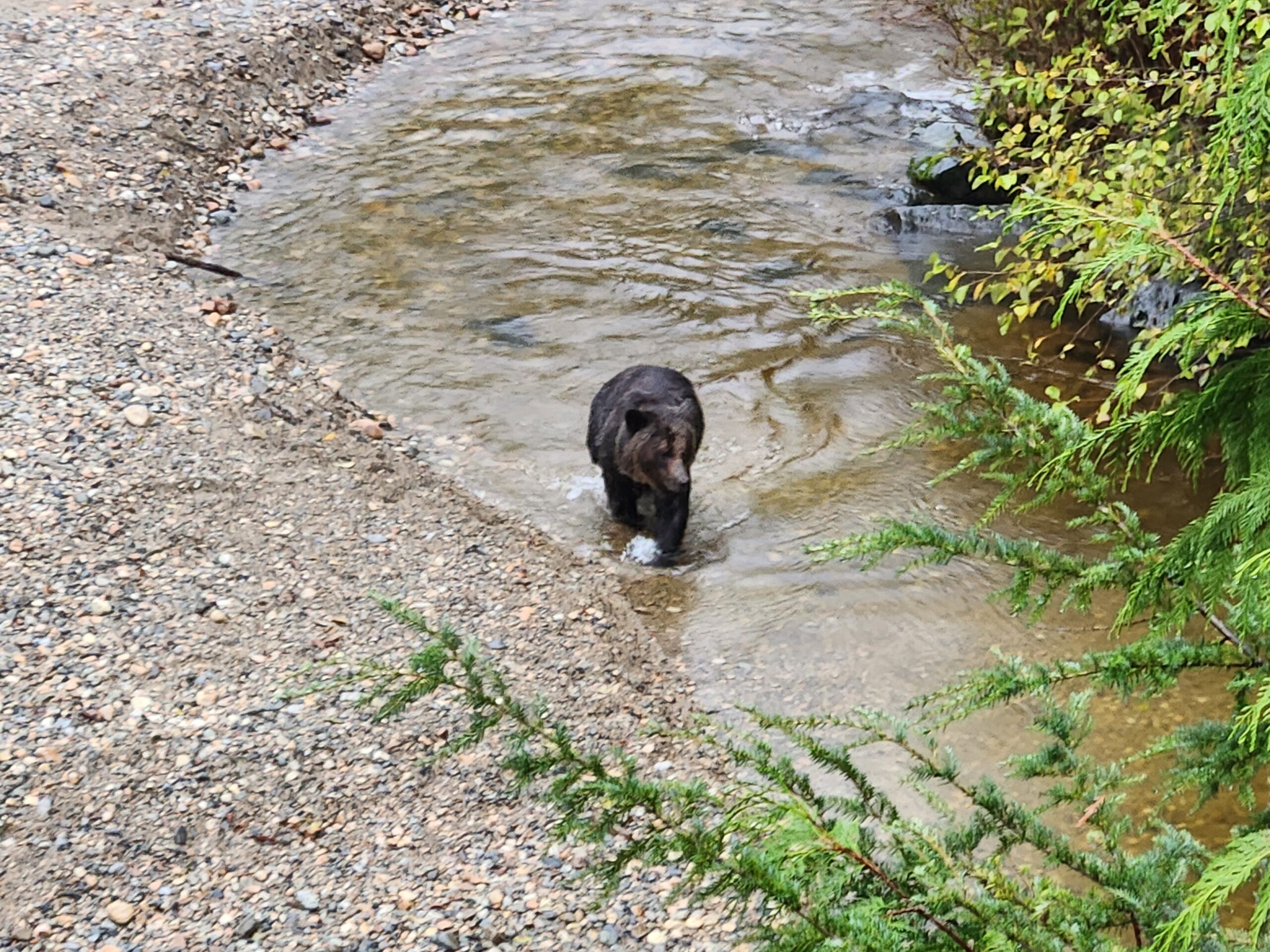
Just bears being bears
“It’s always really special to see a grizzly bear in the wild,” reflects Melanie. “To just be able to sit and observe a bear in person is incredible, a real privilege. But even through the remote cameras, I’ve learned about how bears behave. There’s so much we can understand, and the more that you watch them, the more stereotypes of bear behaviour are challenged. You gain more and more respect for them the more that you’re able to watch them. I love being around bears just being bears. It’s a happy place.”
Nanwakolas Council acknowledges funding support for grizzly bear research from the following organizations, with great appreciation.
- Bears in Mind
- The Commercial Bear Viewing Association of British Columbia
- Knight Inlet Lodge and its guests
- The Government of British Columbia
Also our thanks to the Bear ID Project for sharing photos for this story.